Run-flat tires promise an easy drive after a puncture, while standard tires focus on comfort, choice, and cost. We see both setups, and the right pick depends on how you drive, what you drive, and how you handle roadside surprises.
Here is a clear, shop-floor comparison from our experience mounting, balancing, and repairing both every week.
What Run-Flat Tires Actually Are
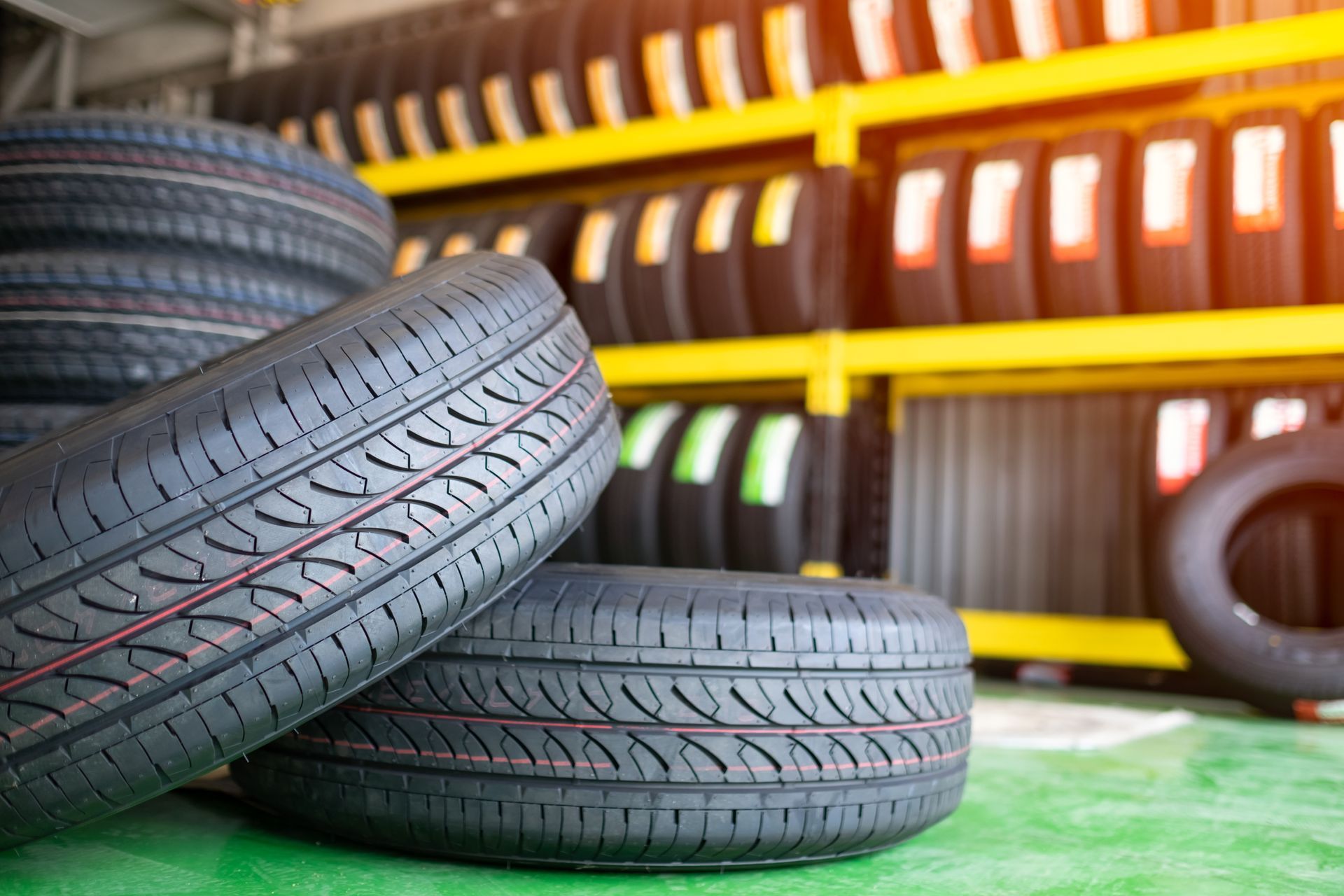
Run-flats are designed to keep supporting the vehicle for a limited distance after losing air, usually long enough to reach a safe spot or a tire shop. They use reinforced sidewalls and specialized beads to carry the load without collapsing. Most factory run-flat vehicles delete the spare to save space and weight, which is why you will find a tire inflator kit in the trunk rather than a jack.
How They Work After a Puncture
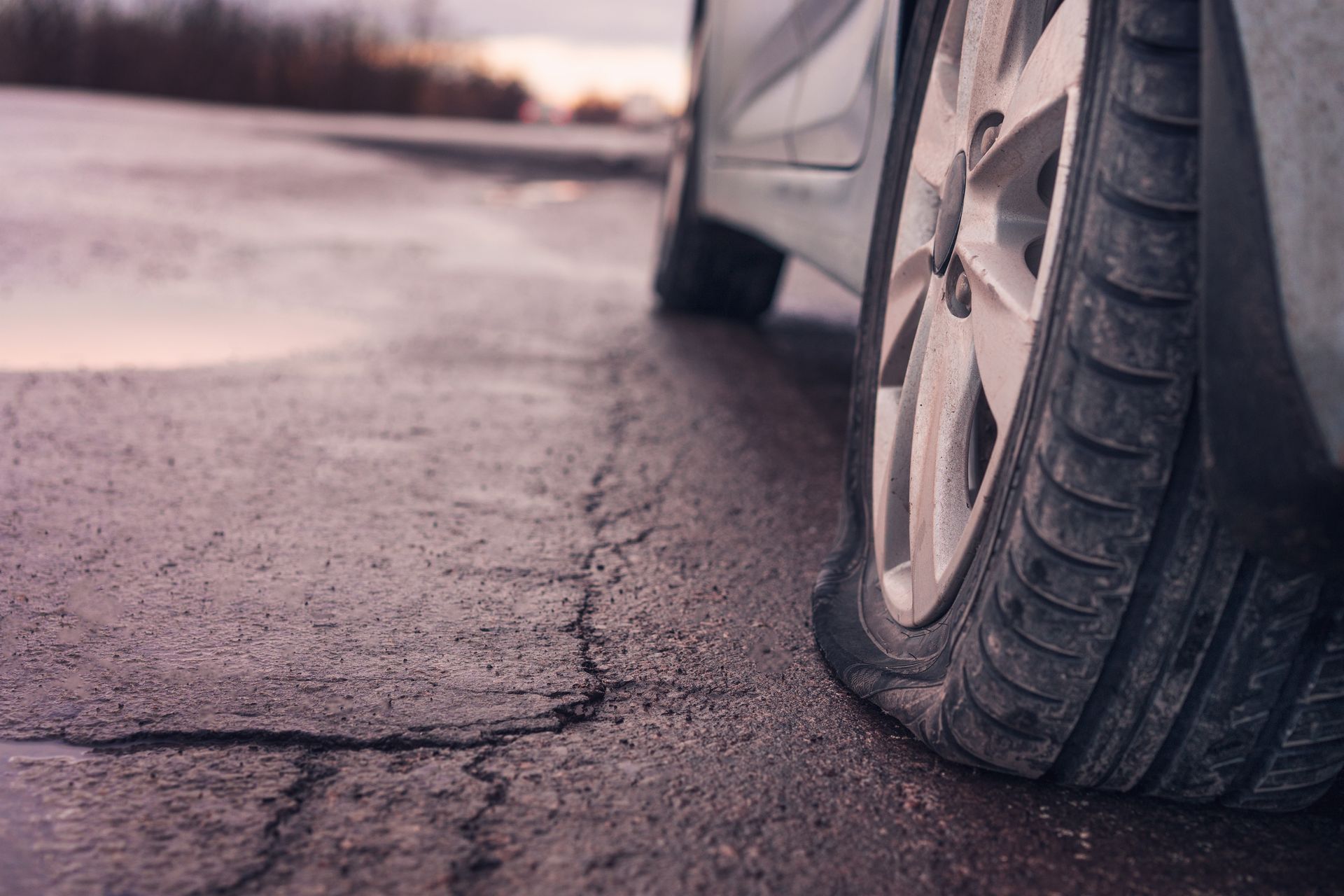
When pressure drops, the stiff sidewalls take over and hold the tire’s shape. You can typically travel 50 to 80 kilometers at reduced speeds if you drive gently and avoid potholes. The car may feel firmer and the steering response can dull a little, but you stay in control. The distance and speed limits are real, and we advise drivers to treat a run-flat event like a short window to get off the highway and into a safe bay, not a pass to finish a weekend road trip.
Quick Comparison At A Glance
- Run-flats let you drive after a puncture, standard tires usually require a roadside change or a tow
- Run-flats add weight and ride stiffness, standard tires ride softer and quieter on rough Squamish pavement
- Standard tires offer more sizes and models, run-flats have fewer choices and can be harder to source on short notice
- Run-flat punctures are less often repairable, standard tire punctures are more frequently patchable when damage is in the tread
- Wheels and suspension may be tuned for run-flats from the factory, swapping to standard tires can improve comfort but needs correct pressures and alignment
- Run-flats typically cost more per tire; standard tires plus a compact spare kit can be cheaper over the life of the car
Ride Quality and Handling Differences You Will Feel
Those strong sidewalls that save you from a puncture also transmit small bumps into the cabin. On local roads with winter heaves, run-flats can feel busy over sharp edges. Standard tires flex more, which smooths the ride and can quiet tire slap on coarse surfaces.
Handling is not simply better or worse, it is different. Some cars feel more settled with standard tires because the suspension can do its job without the extra stiffness from the tire casing. We adjust pressures and alignment targets to keep steering response crisp either way.
Repairability, Availability, and Real Costs
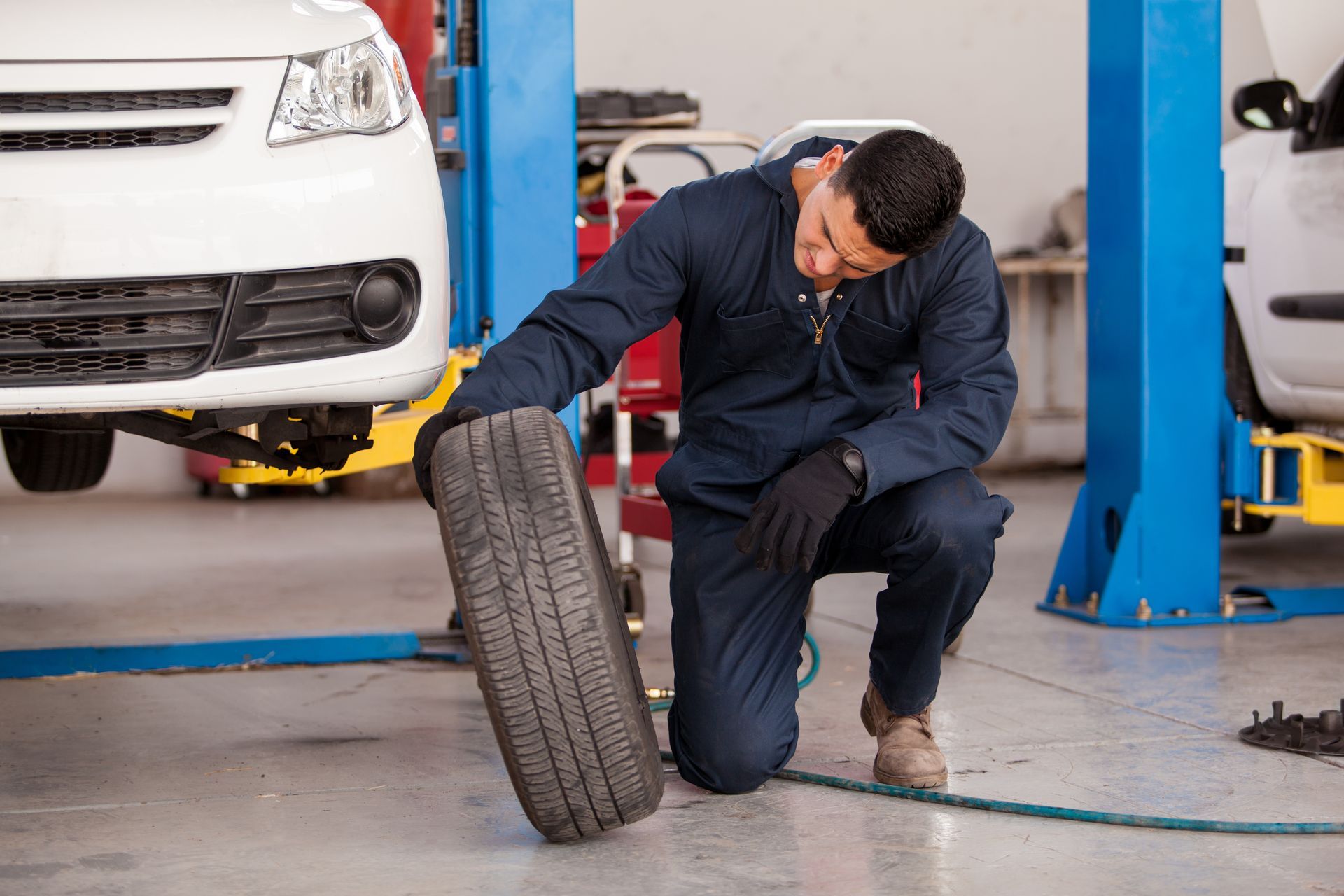
We are often asked whether run-flats can be repaired. Sometimes, yes, if the puncture is in the repairable tread area and you did not drive too far without air. The catch is that damage from running on underinflated tires can be subtle. We inspect the inner liner carefully and reject repairs that risk a comeback. Standard tires are more forgiving. They cost less up front, repairs are more likely to be safe, and there is a much wider inventory to choose from.
If your vehicle came with run-flats and no spare, factor in either a compact spare kit or a solid roadside plan before switching to standard tires.
Who Benefits Most From Run-Flats Around Our Area
If you routinely drive late at night on the Sea to Sky, carry kids, or prefer not to deal with a roadside wheel swap in rain or snow, run-flats are a comforting choice. They buy time and safety margin when shoulders are narrow and traffic is heavy.
Drivers who value ride comfort and tire choice, or who already carry a compact spare and are comfortable changing a wheel, often prefer standard tires.
Either plan is valid if it matches your priorities.
Get Straight Advice on Run-Flat or Standard Tires in Squamish with Diamond Head Motors Ltd
Not sure which way to go? Visit our Squamish shop. We will compare options for your vehicle, explain ride and cost differences, set pressures correctly, and back you up with repair, replacement, and roadside planning that makes sense for your life.
Leave with tires that fit how you drive, and a plan for the day you pick up a nail.