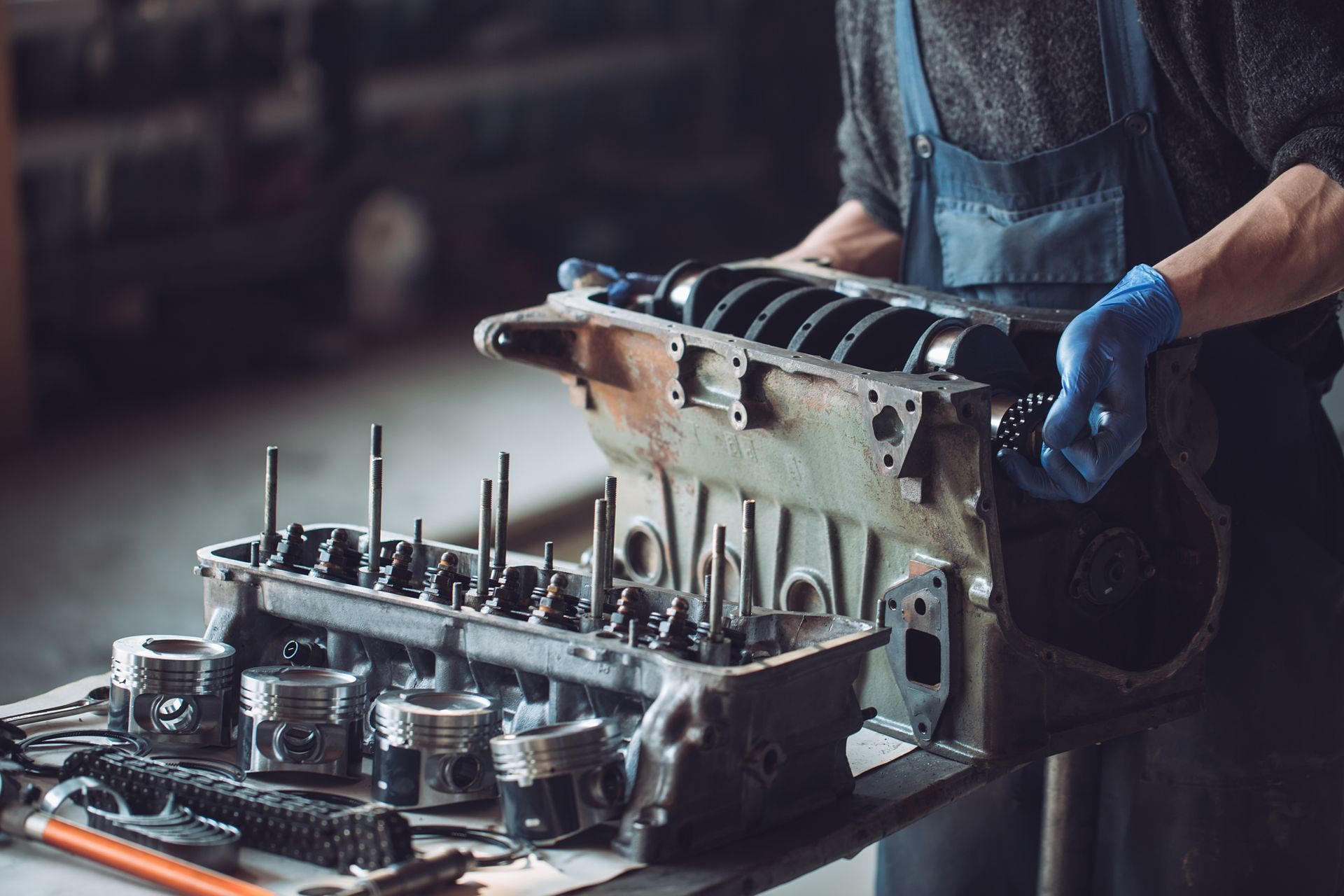
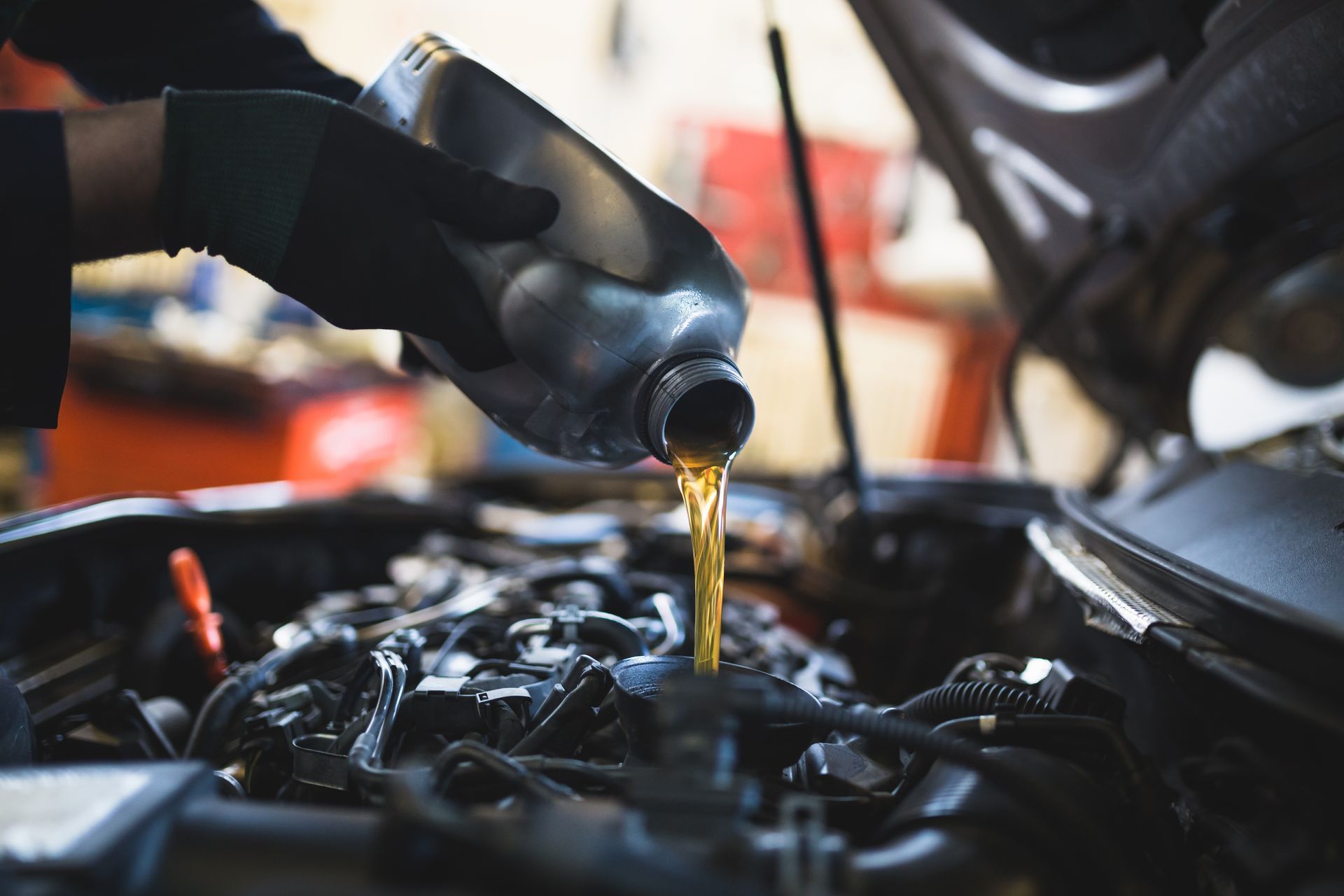
Coolant is one of those fluids that rarely gets attention until the temperature gauge climbs or a warning light comes on. It quietly circulates every time you drive, keeping the engine in its comfort zone so metal parts, sensors, and seals can do their job. When the level drops, things can go wrong faster than many drivers expect, especially on long hills or in slow traffic.
Understanding what coolant does, and what happens when it is low, is a big step toward avoiding an overheated engine and a big repair bill.
What Engine Coolant Actually Does Under the Hood
Coolant moves heat away from the engine and into the radiator, where it can be released to the air. It is a mix of water and antifreeze that is designed to resist freezing in winter, boiling in summer, and corrosion all year round. As it flows through passages in the block, head, and heater core, it absorbs heat that would otherwise build up and damage metal parts.
It also helps keep temperatures stable. Instead of letting the engine swing from very cold to very hot, coolant and the thermostat work together so it warms up quickly, then holds a steady operating temperature. That stable range is where fuel burns more cleanly, sensors read correctly, and oil stays at the right thickness.
Why Low Coolant Is More Dangerous Than It Looks
A slightly low coolant reservoir might not seem urgent at first glance. The engine may still run, the heater might still work, and the gauge may look normal on short trips. The trouble usually shows up when the engine is under more load, for example, climbing a grade, sitting in traffic, or towing.
With less coolant in the system, there is less fluid available to absorb and carry away heat. Hot spots can develop around cylinders, valves, and turbochargers. Once temperatures rise high enough, aluminum heads can warp, head gaskets can fail, and plastic fittings can soften or crack. That is how a small leak that only left a few drops on the driveway can turn into a major engine repair if it is ignored for long enough.
Early Warning Signs Your Coolant Level Is Dropping
Engines rarely go from healthy to overheated with no clues along the way. Common early signs of low or slowly leaking coolant include:
- A heater that blows cooler air than it used to, especially at idle
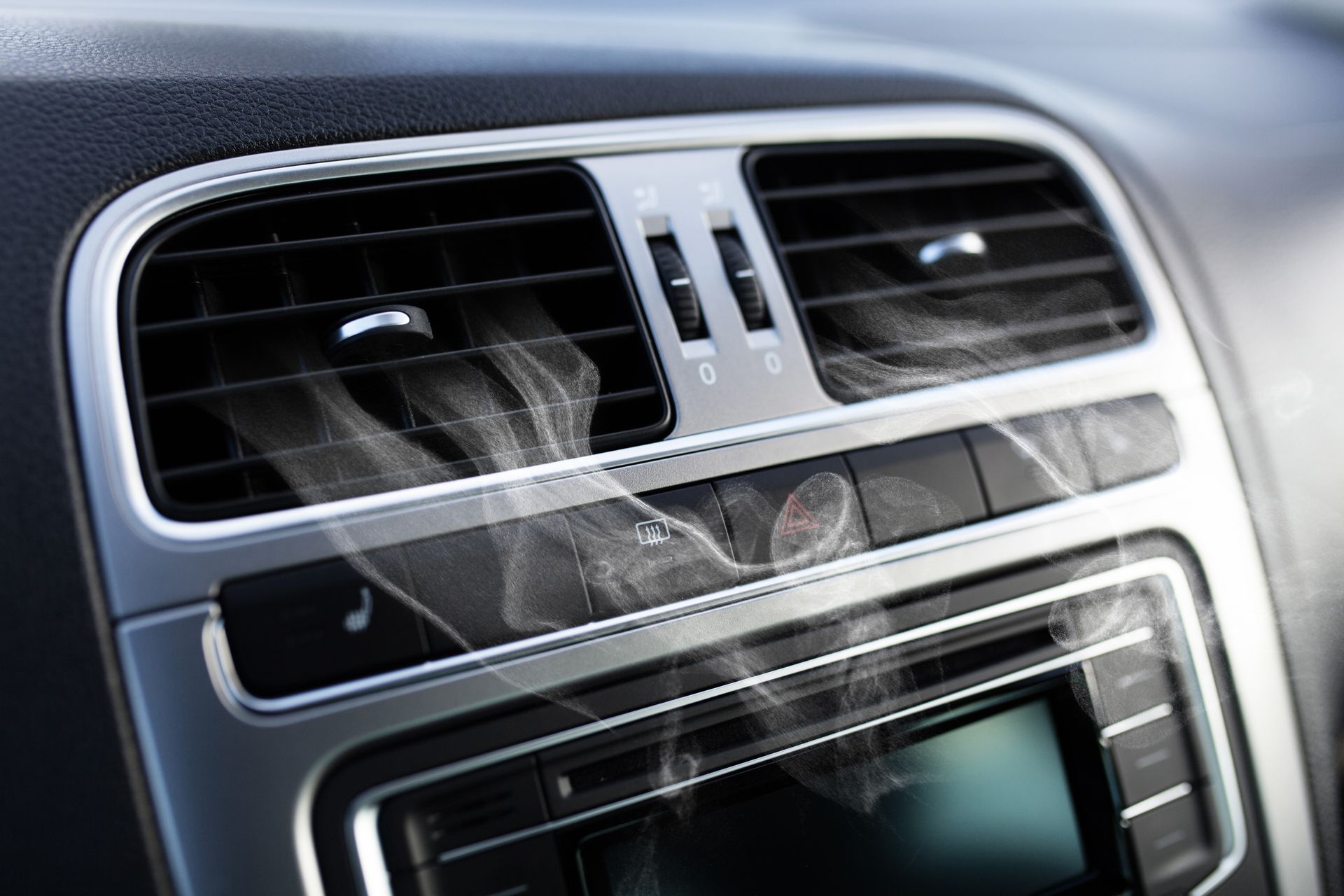
- A sweet smell around the front of the vehicle or near the vents
- The temperature gauge creeping higher on long hills or in stop and go traffic
- Visible dried coolant residue, often white or colored crust, around hoses, clamps, or the reservoir
- A low coolant warning message or light that appears occasionally, then disappears again
If you see any of these, it is worth checking the reservoir level when the engine is completely cool. Our technicians pay close attention to patterns like “it only runs hot on the highway” or “the heater comes and goes,” because they often point toward cooling system issues before a full overheat happens.
What Can Cause Coolant Levels To Fall
Coolant does not evaporate away in a sealed, healthy system. If the level is low, there is usually a reason. Common causes include leaking radiator hoses, loose clamps, aging plastic tanks or fittings, and water pumps that are starting to seep from their weep holes. Sometimes the leak is small enough that it only leaves a faint crust or smell at first.
Coolant can also be lost inside the engine. A failing head gasket, cracked head, or intake gasket can let coolant enter the combustion chamber or mix with oil. In those cases, you might see white exhaust smoke, milky oil, or a coolant level that keeps dropping with no obvious external leak. That kind of loss deserves quick attention, since it can damage bearings and other internal parts if it goes on too long.
Owner Habits That Make Cooling Problems Worse
A few understandable habits can turn a small coolant issue into a bigger one. Topping off repeatedly without finding the leak keeps the engine running, but it also lets the underlying problem grow. Driving with the temperature gauge climbing, hoping it will drop back down, can be very rough on gaskets and aluminum parts.
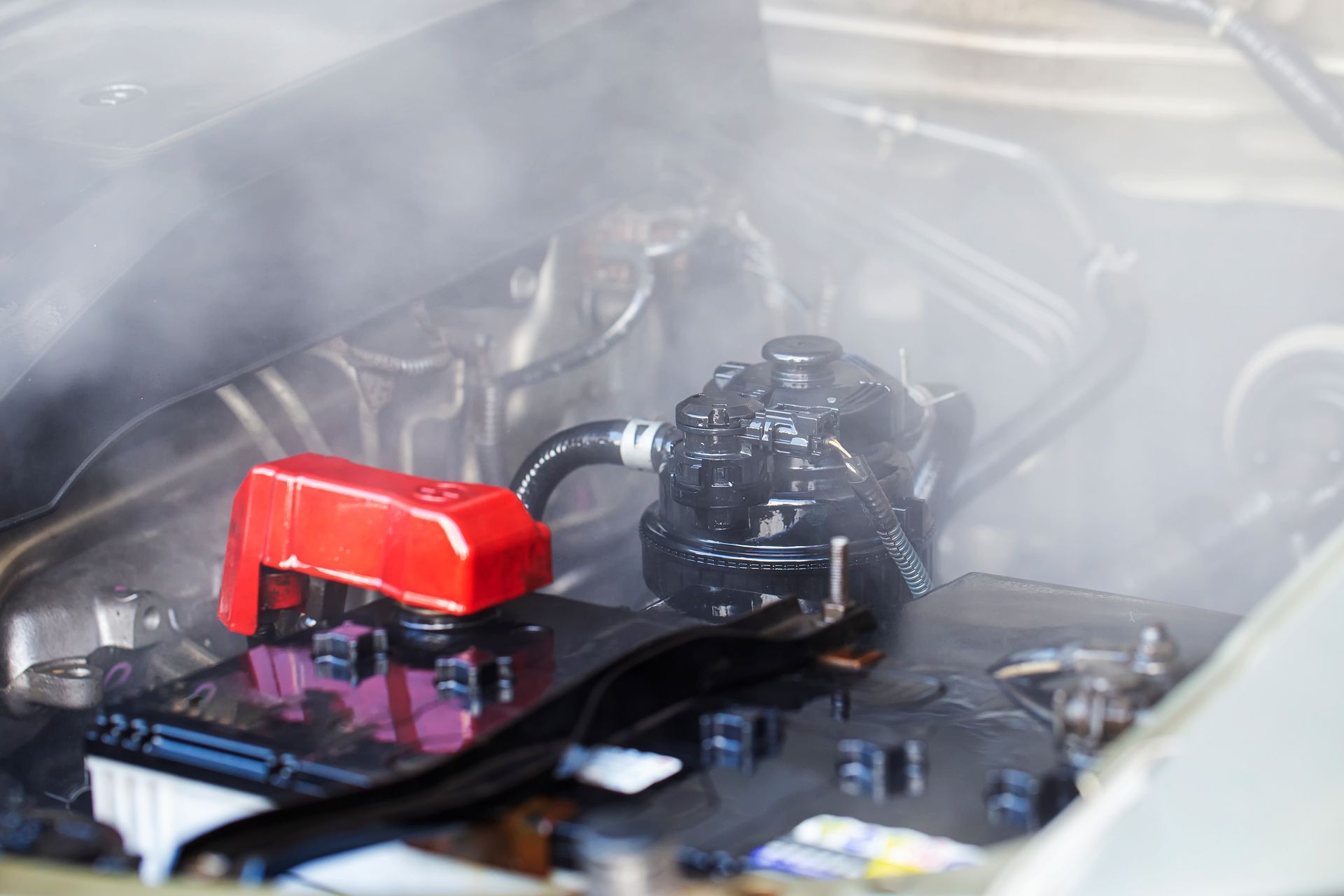
Another risky move is opening the radiator cap on a hot engine. Pressurized hot coolant can spray out and cause serious burns. If you suspect a cooling problem, it is safer to let the engine cool fully before checking levels in the reservoir, and to have the system pressure tested rather than guessing. When we inspect a vehicle, we are looking for those early signs, so you do not have to learn about a cooling problem from steam on the side of the road.
How Technicians Check for Hidden Cooling System Issues
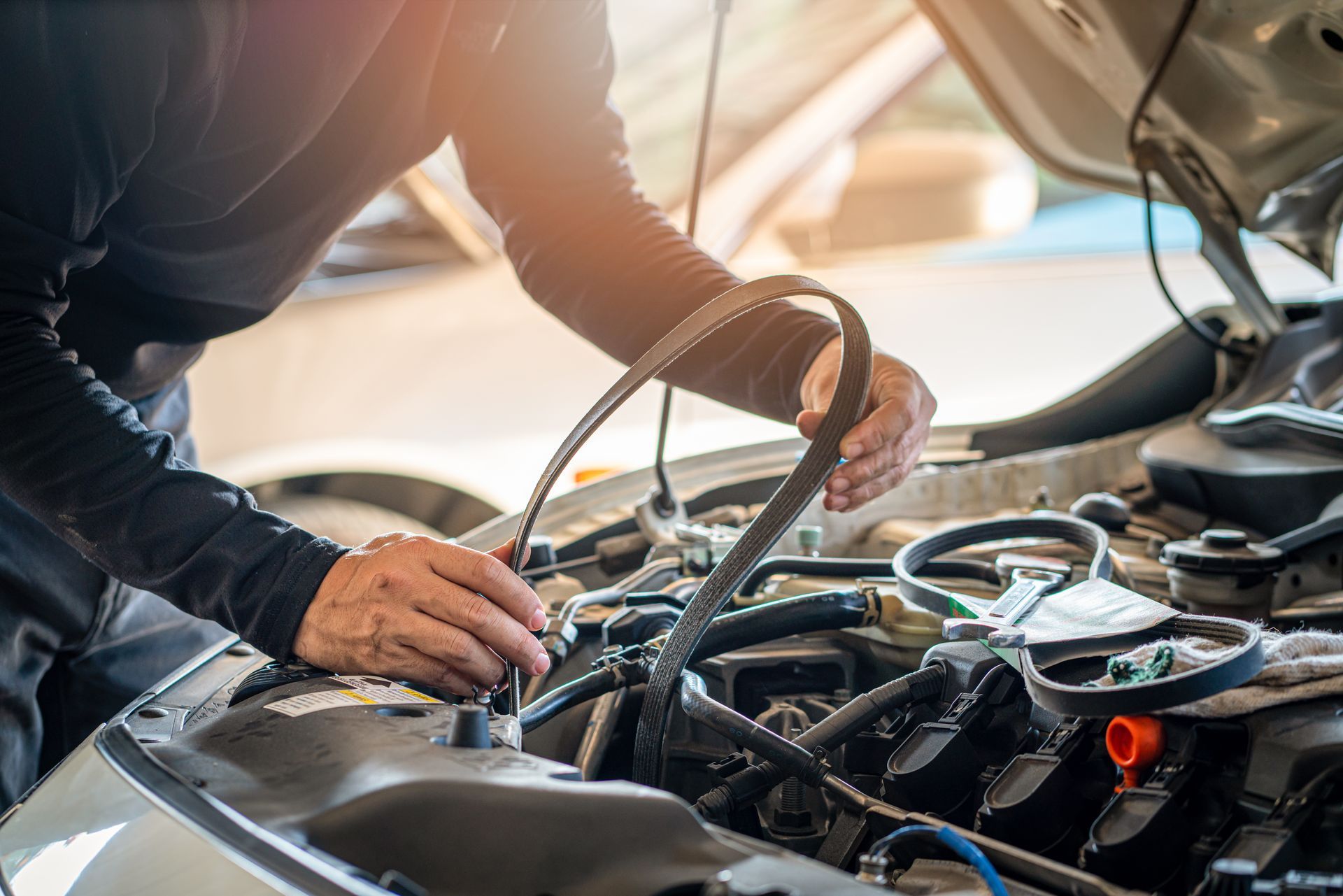
Tracking down coolant problems is often more than just spotting a drip. A proper inspection usually starts with a pressure test that gently pressurizes the cooling system, making small leaks easier to see. From there, we look over hoses, the radiator, water pump, heater core connections, and plastic fittings for any sign of seepage or staining.
If coolant loss is suspected inside the engine, we may use chemical tests for combustion gases in the coolant, inspect the oil for contamination, or monitor how pressure and temperature behave on a road test. In some cases, catching a bad cap, a weak thermostat, or a small external leak early is enough to restore normal operation. In others, the goal is to identify bigger issues before they cause sudden overheating and more serious damage.
Get Engine Coolant Service in Squamish, BC with Diamond Head Motors Ltd
If your coolant level keeps dropping, your temperature gauge has been acting strange, or you just want to know your cooling system is ready for real-world driving, this is a good time for a checkup. We can inspect for leaks, test the coolant and cap, and make sure your engine is staying in the safe temperature range it was designed for.
Schedule engine coolant service in Squamish, BC with
Diamond Head Motors Ltd, and drive with a cooler, more protected engine.