Winter in British Columbia can change from wet pavement to packed snow in a few kilometers. That is why the province treats winter tires as more than just a suggestion on many highways. If you drive the Sea to Sky, Coquihalla, or other mountain routes, those white and green “winter tire or chains required” signs are backed by real regulations, not friendly reminders.
Why British Columbia Requires Winter Tires On Key Highways
BC highways run through steep grades, shaded rock faces, and fast-changing weather zones. One stretch can be bare and wet, while the next corner hides compact snow or black ice. Regular all-season tires harden up in colder temperatures and lose a lot of grip just when you need it most.
Winter tire rules are there to reduce spin-outs, long stopping distances, and pileups when the weather turns. Having proper tires on the vehicles around you matters as much as your own, because one car that cannot stop or climb a hill can block an entire lane. The regulations are really about keeping traffic flowing and giving everyone a better chance to stay in control.
What Counts as a Legal Winter Tire in BC
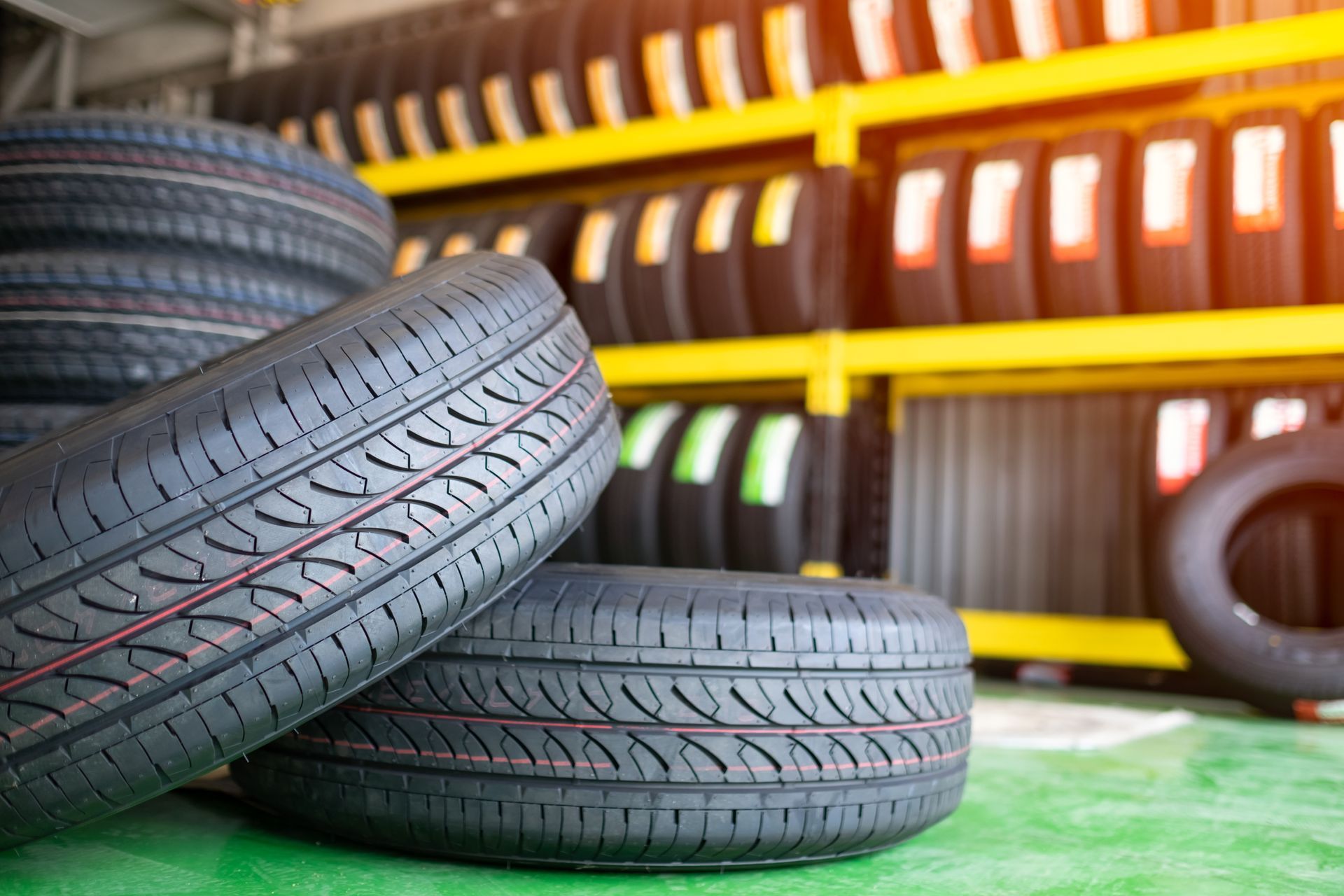
On signed BC highways during the winter tire period, your tires have to meet specific markings to be considered legal. That means either a three peak mountain snowflake symbol or an M+S (mud and snow) marking on the sidewall, along with enough remaining tread depth. Worn tires with shallow tread, even if they have the right symbol, will not deliver the traction you need.
Three peak mountain snowflake tires are tested for winter performance and usually give stronger grip in snow and cold temperatures than basic M+S tires. M+S all seasons meet the minimum requirement in many areas but are more of a compromise. When we look at a set of tires for winter use, we pay close attention to both the markings and the tread depth before saying they are ready for the mountains.
How Winter Tires Help You Steer and Stop on BC Roads
Winter tires are built with softer rubber compounds that stay flexible when the temperature drops. They also use more aggressive tread patterns and extra sipes, the thin slits in the tread blocks, to bite into snow and channel slush away. That flexibility and tread design give you better grip when you brake, accelerate, and steer on cold pavement and snow.
The difference really shows up in emergency maneuvers. On a cold day, a vehicle with true winter tires can stop several car lengths shorter than one with worn all-season tires at highway speeds. That extra margin is often what prevents a slide into the next lane or the vehicle stopped ahead of you. Even if you are a careful driver, winter tires give the vehicle more to work with when something unexpected happens.
M+S vs Three-Peak Mountain Snowflake: Which Should You Choose?
Many drivers wonder whether their M+S all-seasons are “good enough” for BC highways. For mild conditions and mostly city driving, they might get you by, especially if they are fairly new. However, if you regularly travel mountain passes, early mornings, or late nights when the temperature drops, a dedicated three peak mountain snowflake tire is usually a safer choice.
Three peak tires are designed for acceleration, braking, and cornering in snow and cold, not just passing a minimum mud and snow test. We often recommend M+S as the bare minimum and three peak as the better option for anyone who spends time on the more demanding routes. The extra grip can make the drive less stressful and reduce wear on traction control and ABS components that are constantly trying to compensate.
Common Winter Tire Mistakes on BC Highways
A few recurring habits make winter driving harder than it needs to be:
- Running winter tires until they are nearly bald, then expecting them to perform like new
- Mixing different brands or tread patterns front and rear which can make the car feel unstable in sudden maneuvers
- Leaving winter tires on year-round, which wears them quickly and can dull their cold weather performance
- Ignoring pressure checks, even though cold weather can drop pressures several PSI almost overnight
We see a lot of vehicles where the driver assumed “winter tires are winter tires” and did not realize how much performance they had lost over a few seasons. A quick inspection before winter starts is usually all it takes to spot those problems early.
Simple Pre-Season Winter Tire Checklist
Before the snow arrives, a short checklist helps make sure your tires are really ready:
- Confirm that all four tires have either M+S or three peak mountain snowflake markings, not just two
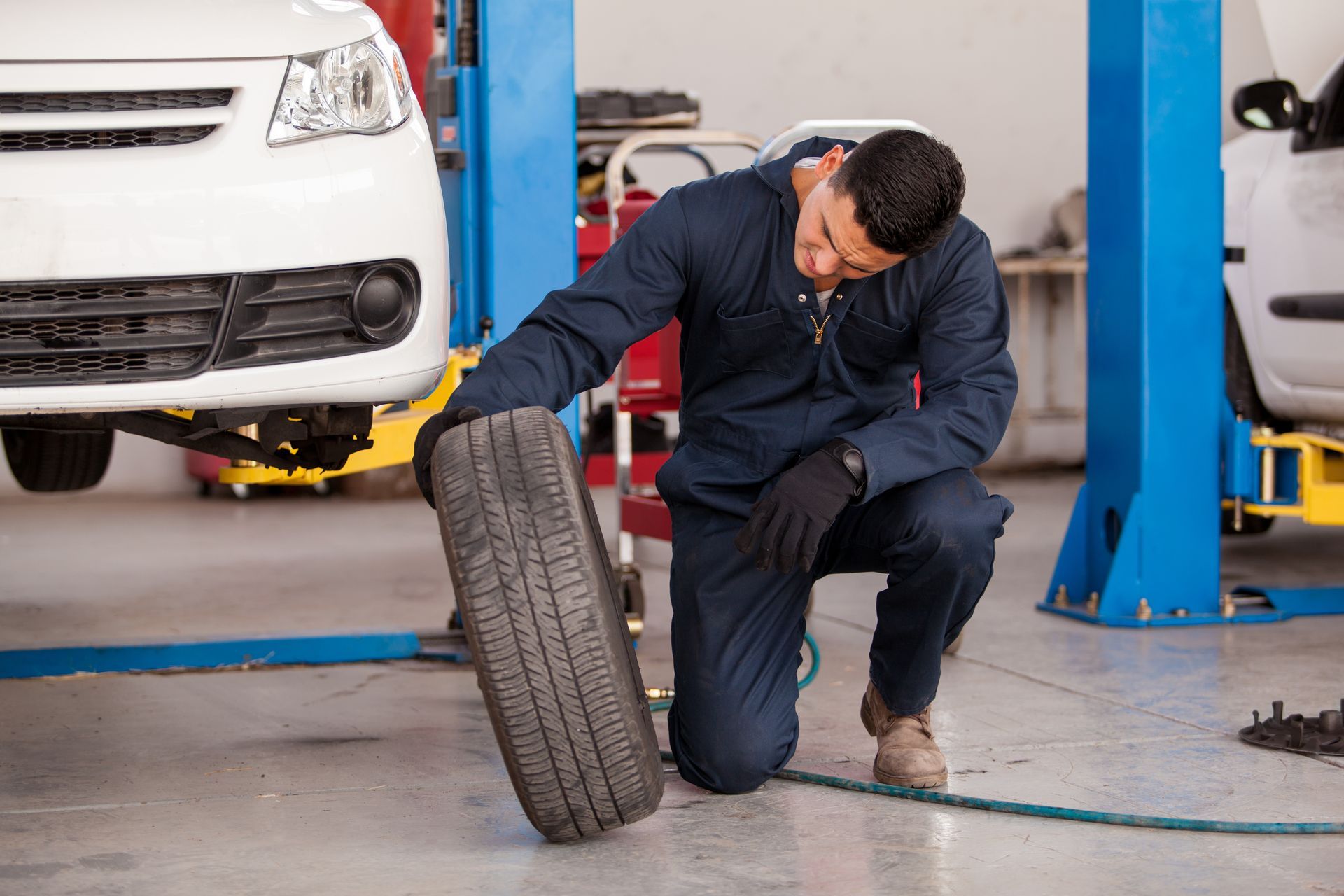
- Measure tread depth; aiming for at least 4 mm for winter use is a practical target
- Check tire pressures when cold and set them to the door jamb spec, not the sidewall max
- Look for sidewall cracks, bulges, or uneven wear that could signal alignment or suspension issues
If anything looks questionable, it is better to address it before you find out the hard way on a snowy descent or icy merge lane. We would much rather help you pick the right tires in dry weather than meet your vehicle on a tow truck after a winter incident.
Get Winter Tires for BC Highways in Squamish, BC with Diamond Head Motors Ltd
If you are unsure whether your current tires meet BC’s winter rules or will give you enough grip on the Sea to Sky and other mountain routes, we can take a closer look. We can inspect your existing set and recommend proper winter options if needed. We will make sure they are mounted, balanced, and inflated correctly.
Schedule winter tire service in Squamish, BC with
Diamond Head Motors Ltd, and we will help you head into the season with more traction and less worry.