A car that feels unsettled on the highway usually gets your attention fast. The steering may feel loose, the body may drift more than expected, or the vehicle may seem like it needs constant correction to stay in its lane. Around town, it might feel acceptable, but at 60 mph, the whole car starts feeling less planted.
That change is usually tied to wear that shows up much more clearly at higher speeds.
Why Highway Instability Feels Different
Highway driving puts a different load on the vehicle than neighborhood driving. Tires are spinning faster, suspension movement has less room for error, and small steering problems become much easier to feel once the car is covering more ground every second. A slight looseness at 25 mph turns into a much bigger confidence issue at 70.
That is why instability should not be dismissed as road texture or wind unless the pattern is very clear. A healthy vehicle should track straight, respond cleanly, and feel settled even when the pavement is not perfect. When it starts floating, wandering, or reacting too sharply, there is usually a mechanical reason behind it.
Tire Problems Are High On The List
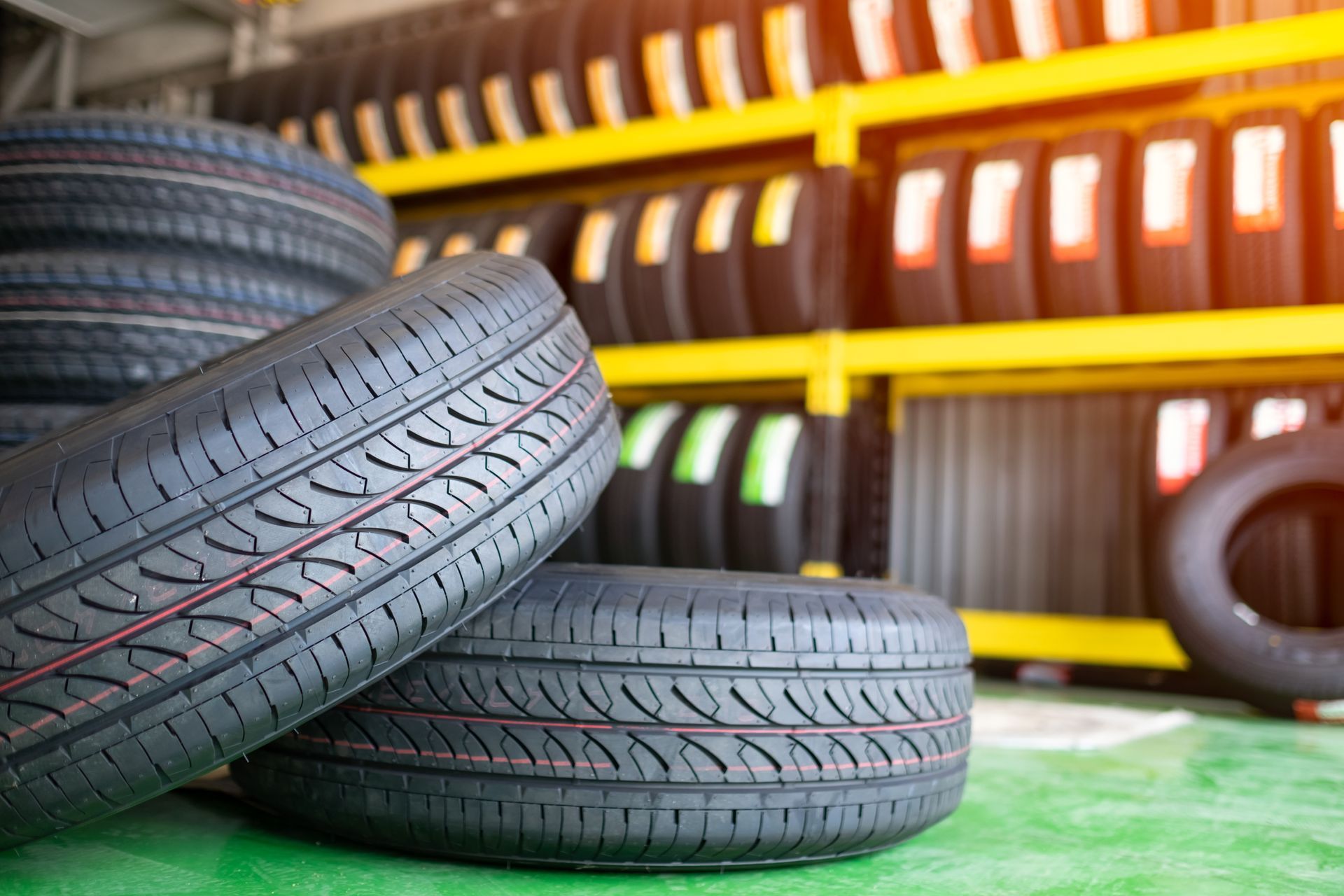
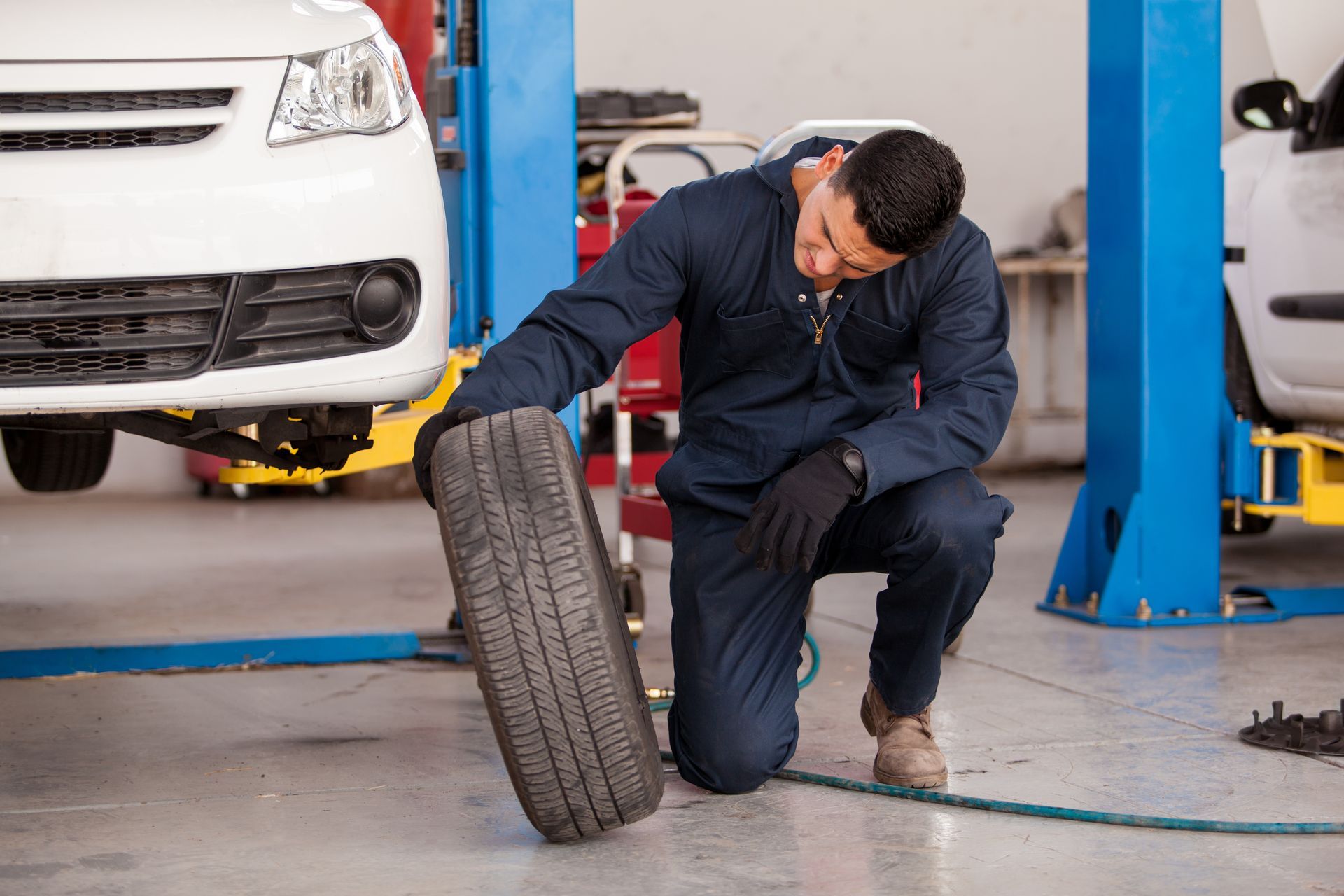
Tires are one of the most common causes of highway instability. Uneven tread wear, low pressure, mismatched tires, internal tire damage, or weak sidewalls will all change how the car holds the road. The driver often feels this as a vague steering response, a drifting sensation, or a front end that seems nervous on grooved pavement or during lane changes.
Tire pressure deserves special attention here. Even a modest drop in pressure changes the way the tire supports the vehicle, and that softer sidewall feel becomes much more obvious at speed. During regular maintenance, tire wear patterns often tell the story early, before the driver can fully describe what feels off.
Steering And Suspension Wear Loosen The Car Up
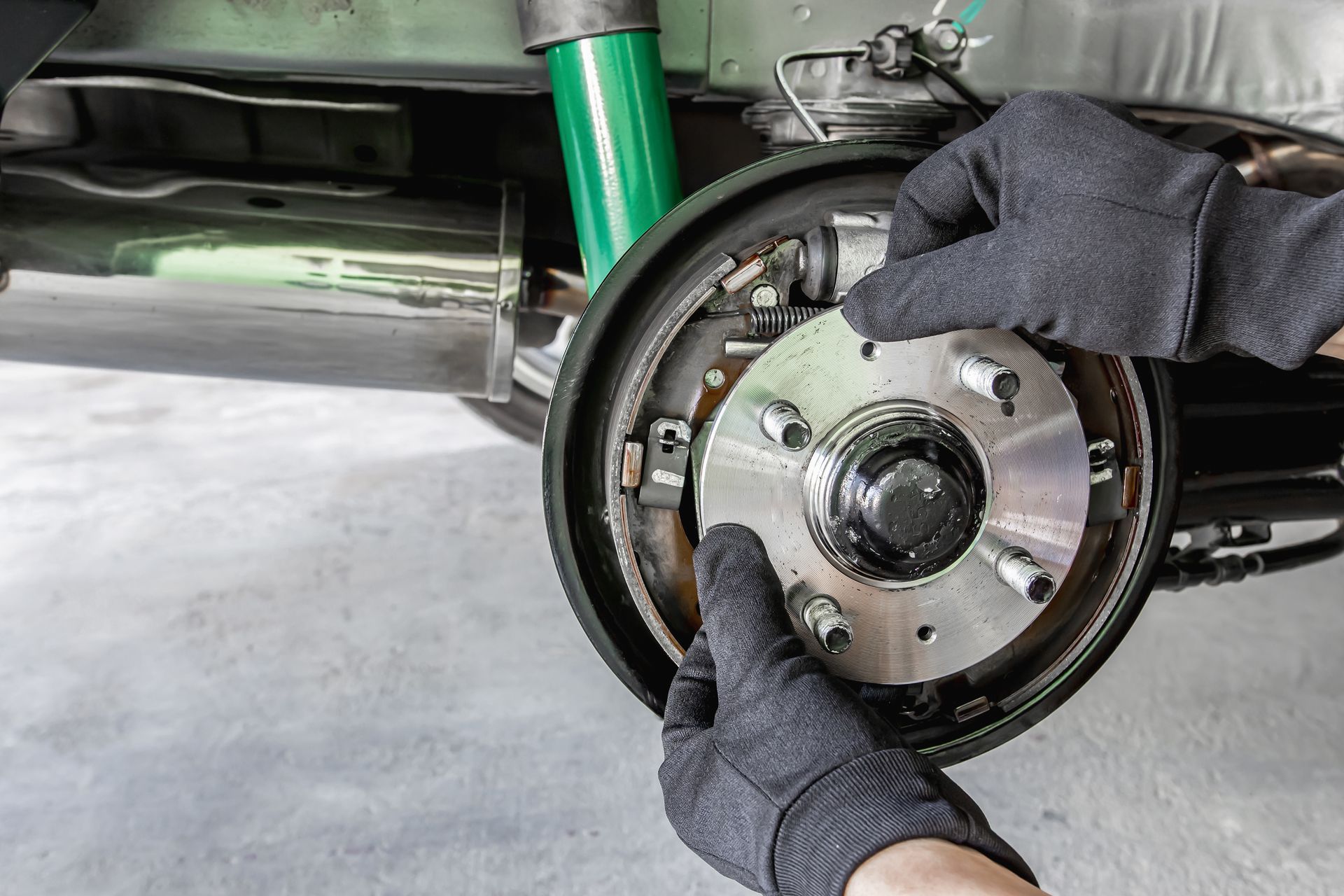
Suspension and steering parts are supposed to hold the vehicle steady while still allowing controlled movement over bumps and turns. Once tie rods, ball joints, control arm bushings, struts, shocks, or sway bar links wear out, the car starts moving more than it should. That extra movement shows up as looseness, delayed response, or a floating feeling on the highway.
This is especially common when the vehicle feels fine on smooth local roads but becomes uneasy at higher speeds, in crosswinds, or on long curves. We see this a lot when struts or shocks have weakened enough that the car still rides, though it no longer feels controlled. An inspection usually reveals whether the instability is coming from worn dampers, looseness in the front end, or both.
Alignment And Ride Height Change Stability
Alignment has a huge effect on how a vehicle behaves at highway speed. When toe or camber angles are off, the tires stop tracking the way they should, and the driver ends up making constant small steering corrections. That often feels like wandering, drifting, or a car that never quite settles into a straight line.
Ride height plays a role, too. Sagging springs, overloaded cargo, or uneven suspension wear can change how weight is distributed on the chassis. Once that happens, the car may feel less balanced, especially during braking, lane changes, or windy highway driving. What feels like a steering issue sometimes starts with how the vehicle is sitting on its suspension.
Clues That Help Narrow It Down
The way the instability shows up can point toward the cause pretty quickly.
- If the steering feels vague and slow to respond, tires or worn steering parts move higher on the list
- If the car bounces after dips or feels floaty over expansion joints, shocks, or struts deserve close attention
- If the vehicle drifts to one side, alignment or tire issues become more likely
- If the car reacts badly to grooves or crosswinds, worn tires or loose suspension parts are strong suspects
- If the steering wheel needs constant correction, front-end wear or alignment problems are often involved
Those patterns are useful because they connect the driver’s description to the systems most likely causing the problem.
Why Waiting Makes Highway Feel Worse
Instability rarely stays at the same level for long. Tires keep wearing unevenly, loose parts gain more play, and weak shocks lose even more control. What starts as a mild wandering feeling grows into a car that is tiring to drive and harder to trust in traffic, rain, or emergency maneuvers.
There is a safety side to this that should be taken seriously. A vehicle that feels unsettled at speed is harder to place accurately and slower to recover from sudden inputs. Catching the problem early usually protects your tires, improves control, and keeps the repair from spreading into a longer list of worn parts.
What A Proper Check Should Cover
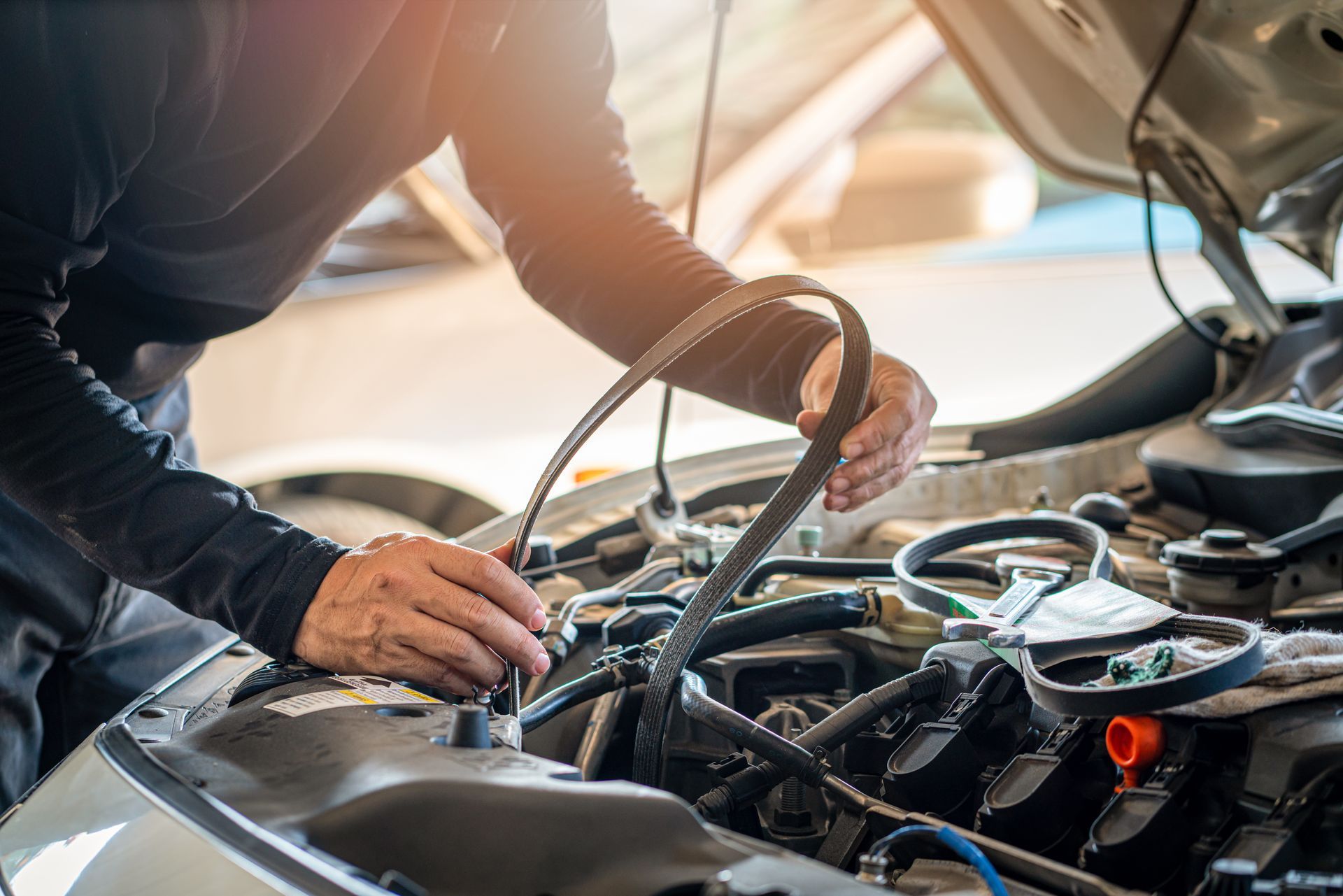
A good highway stability check needs to look at the whole picture. Tire condition, tire pressure, alignment angles, shocks, struts, bushings, tie rods, ball joints, and wheel bearings all deserve attention. A short test drive helps, though a real inspection underneath the vehicle is what usually confirms where the looseness or imbalance is coming from.
That step-by-step approach is what leads to a real fix instead of a temporary guess. Once the source is pinned down, the car usually feels more settled right away.
Get Steering And Suspension Repair In Squamish, BC With Diamond Head Motors Ltd
If your car feels unstable on the highway, Diamond Head Motors Ltd can check the tires, steering, suspension, and alignment to find the cause and correct it before the problem gets worse.
Bring it in before that uneasy highway feel turns into a repair that is bigger than it needed to be.