A steering wheel that suddenly feels heavier than usual gets your attention fast. Most drivers notice it in a parking lot, while turning into a driveway, or during a low-speed maneuver where the wheel should move with very little effort. When that heavier feel comes with whining, groaning, clunking, or rubbing noises, the problem is already giving you strong clues.
That combination can point to a steering system issue that needs attention soon.
Why Heavy Steering And Noise Tend To Show Up Together
Your steering system depends on smooth movement and proper assist. When fluid pressure drops, a pump starts wearing out, a steering component binds, or a front-end part develops play, the wheel gets harder to turn, and noise starts showing up at the same time. The sound is not random. It is friction, strain, or looseness making itself known.
This is why the timing of the symptom matters. A wheel that feels heavy only while parking points in one direction. A wheel that stays heavy at every speed points to another. Once noise joins the complaint, the system has moved beyond a minor change in feel.
Power Steering Fluid Problems Are A Common Cause
On vehicles with hydraulic power steering, low fluid is one of the first things to check. When the fluid level drops, the pump loses the steady supply it needs to create pressure. That is when the wheel starts feeling heavier, especially at low speeds, and a whining or groaning sound shows up during turns.
Low fluid nearly always means there is a leak somewhere in the system. Hoses, rack seals, pump seals, and fittings are common leak points. Topping off the reservoir may quiet the noise for a short time, though it will not solve the underlying problem. A proper inspection should confirm where the fluid is escaping and whether the pump has already been damaged by running low.
A Failing Pump Or Rack Changes The Feel Quickly
A worn power steering pump creates a very recognizable pattern. The wheel gets heavier in parking lots, turning effort changes from one moment to the next, and the pump begins making more noise as the load increases. That sound usually gets worse when the wheel is turned close to full lock.
The steering rack deserves equal attention. If the rack is binding internally or its seals are failing, steering effort rises, and the system can start making groaning noises or feel jerky through the wheel. In some cases, the rack itself is the leak source. In others, it is the part creating the heavier feel, even when the fluid level looks acceptable.
Front-End Wear Can Add Resistance And Noise
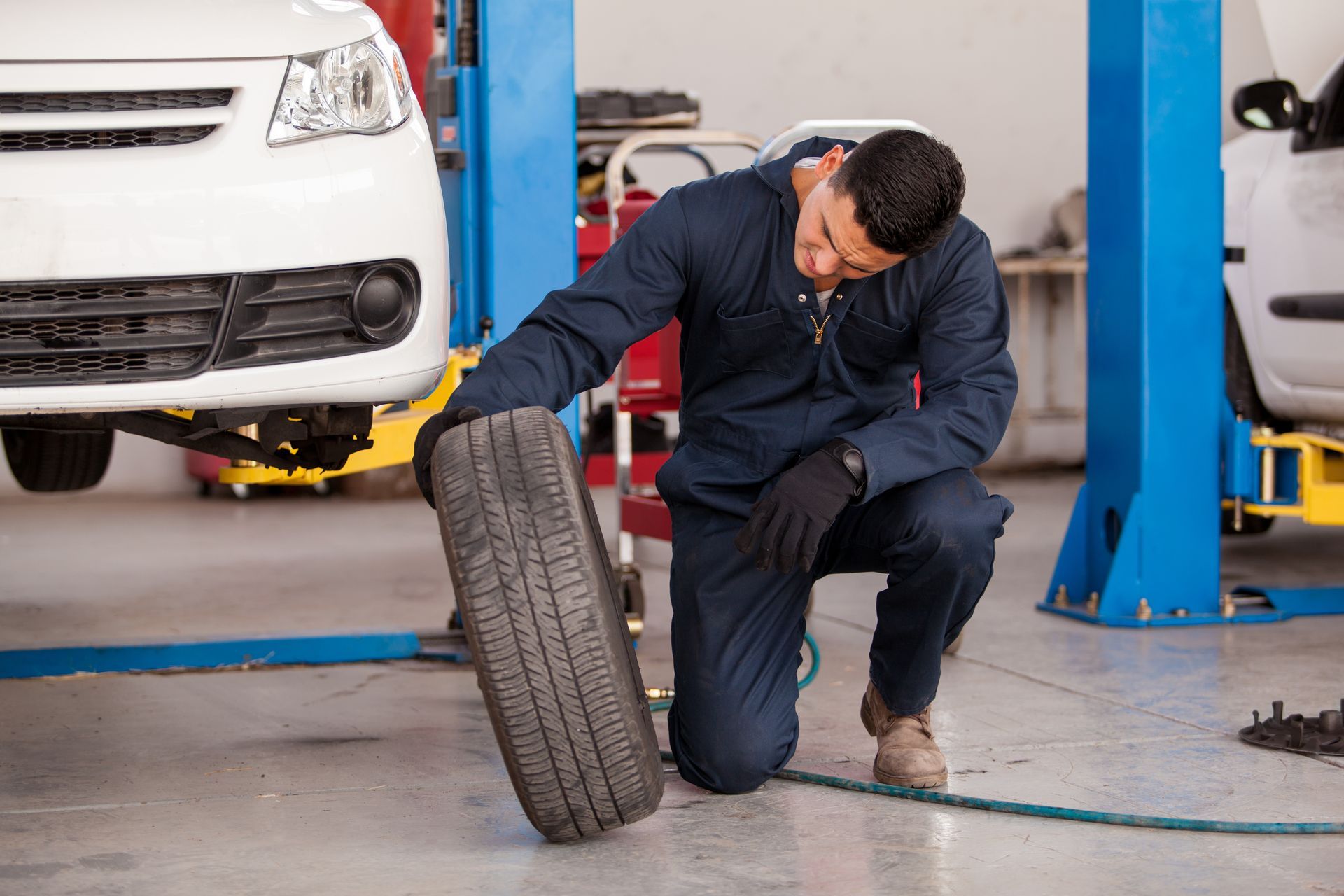
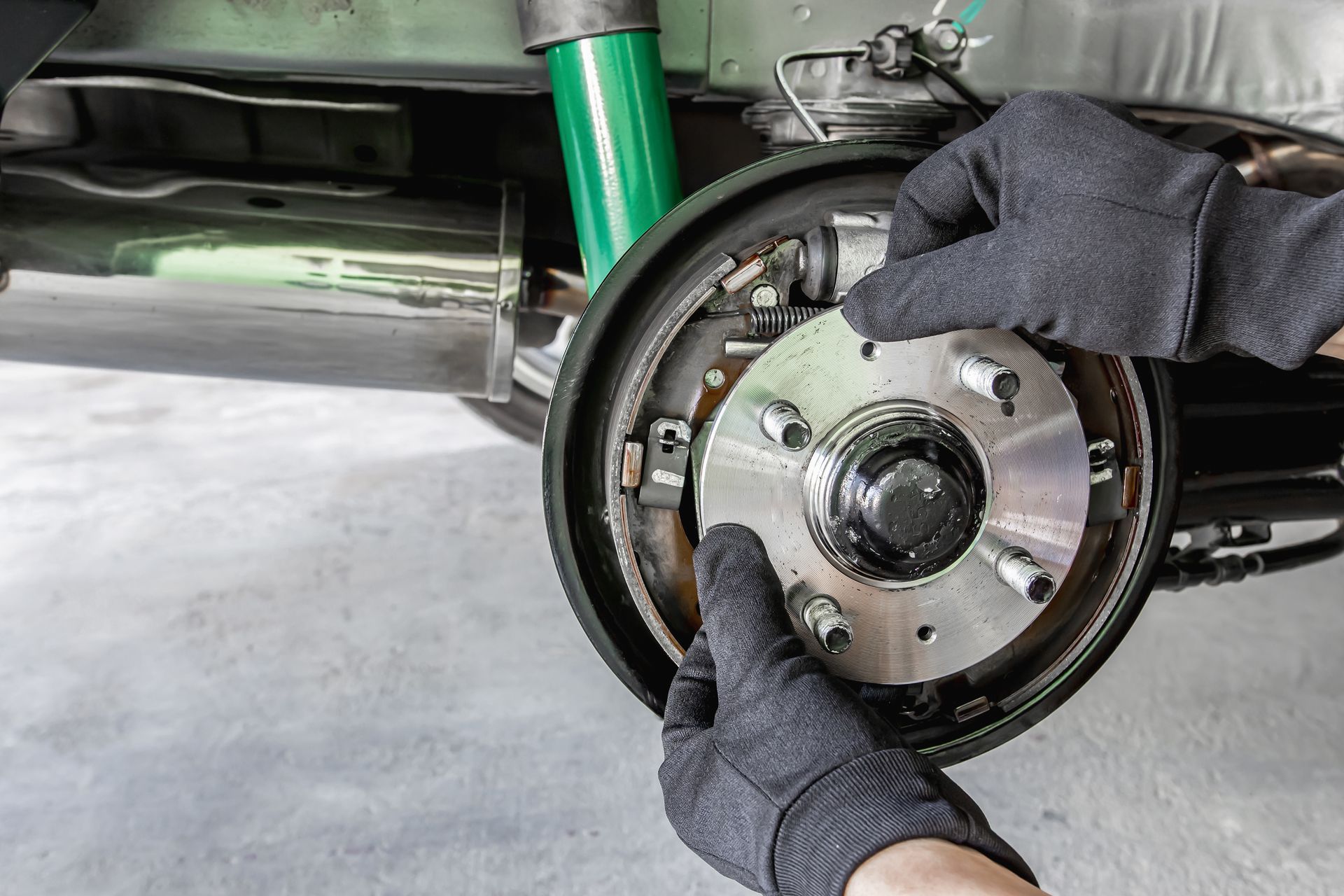
Not every heavy-steering complaint starts inside the power assist system. Worn suspension and steering parts can create resistance, too. A dry ball joint, a tight tie rod end, a worn strut mount, or a failing intermediate steering shaft will make the wheel harder to turn and introduce clunks or creaks during low-speed movement.
This is where drivers get misled. The noise sounds like a steering problem because it occurs while turning, though the real fault may lie in the front suspension or steering linkage. We see this quite a bit on vehicles where the power steering system is still doing its job, but worn front-end parts are adding enough friction and movement to change the way the wheel feels.
Clues That Point Toward The Cause
A few details help narrow down where the problem is starting:
- A whining sound during turns usually points toward low fluid or pump strain
- A clunk while turning into driveways pushes suspension or steering linkage wear higher on the list
- A rubbing or creaking feel in the wheel can suggest binding mounts or joints
- Heavier steering that gets worse during parking usually points toward weak power assist
- Fluid spots under the front of the vehicle raise concern for a leak in the steering system
Those clues will not replace testing, though they help connect the feel and sound to the right area before parts are replaced blindly.
Why It Gets Worse If You Wait
Steering problems rarely hold steady for long. Low fluid becomes pump damage. Pump strain turns into inconsistent assist. Worn joints and mounts loosen further and create more noise and play. What starts as a heavier wheel in tight turns becomes a vehicle that feels less predictable every week.
There is a safety side to this, too. Good steering is not just about comfort in a parking lot. It affects control during quick lane changes, emergency maneuvers, and wet-road corrections. During regular maintenance, early steering changes are much easier to catch before the system turns noisy, stiff, or much more expensive to repair.
What A Proper Check Should Include
A real steering check should cover more than the fluid level alone. The system needs to be inspected for leaks, pump noise, belt condition, rack function, steering linkage wear, ball joint movement, and front suspension condition. If the vehicle uses electric assist rather than hydraulic assist, fault codes and steering data should be checked during the inspection.
That step-by-step approach gets to the true source faster. Guessing at the pump, rack, or front-end parts without checking the full system is how the same complaint ends up coming back.
Get Steering Repair In Squamish, BC, With Diamond Head Motors Ltd
If your steering suddenly feels heavier and starts making strange noises, Diamond Head Motors Ltd can inspect the system, find the source, and correct it before the problem affects control even more.
Bring it in now while the issue is still focused and repairable, not after the steering becomes a much bigger headache.