EVs skip a few traditional services, but they still rely on tires, brakes, cooling systems, and tight chassis hardware to stay safe and efficient. The difference is that some wear shows up in different places, and certain small services matter more because the drivetrain is so quiet. If you want a consistent range and fewer surprise warnings, plan EV care the same way you would any other vehicle: stay ahead of wear, not behind it.
Regular maintenance keeps the easy days easy.
1. Tire Care That Protects Range And Ride
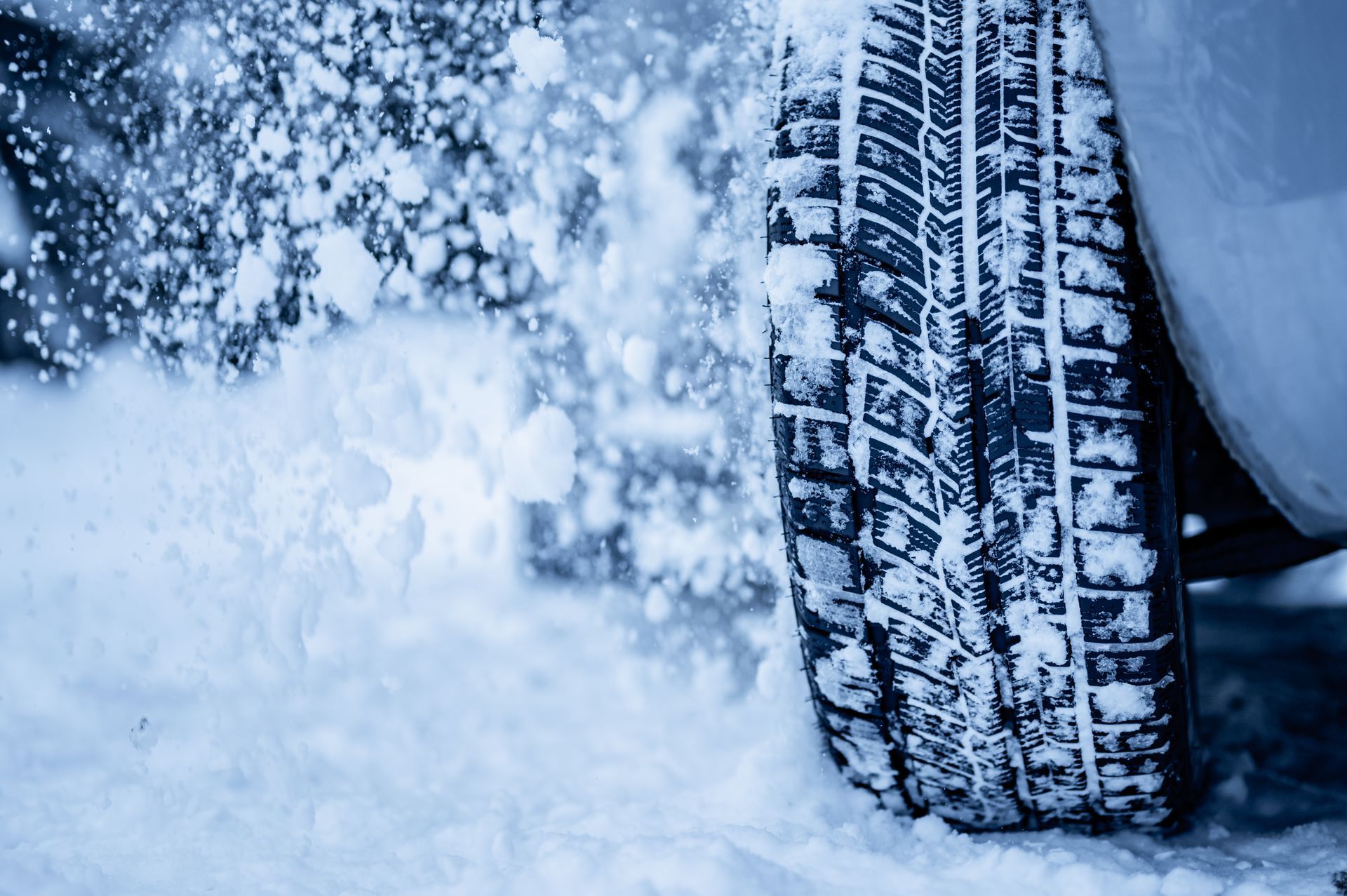
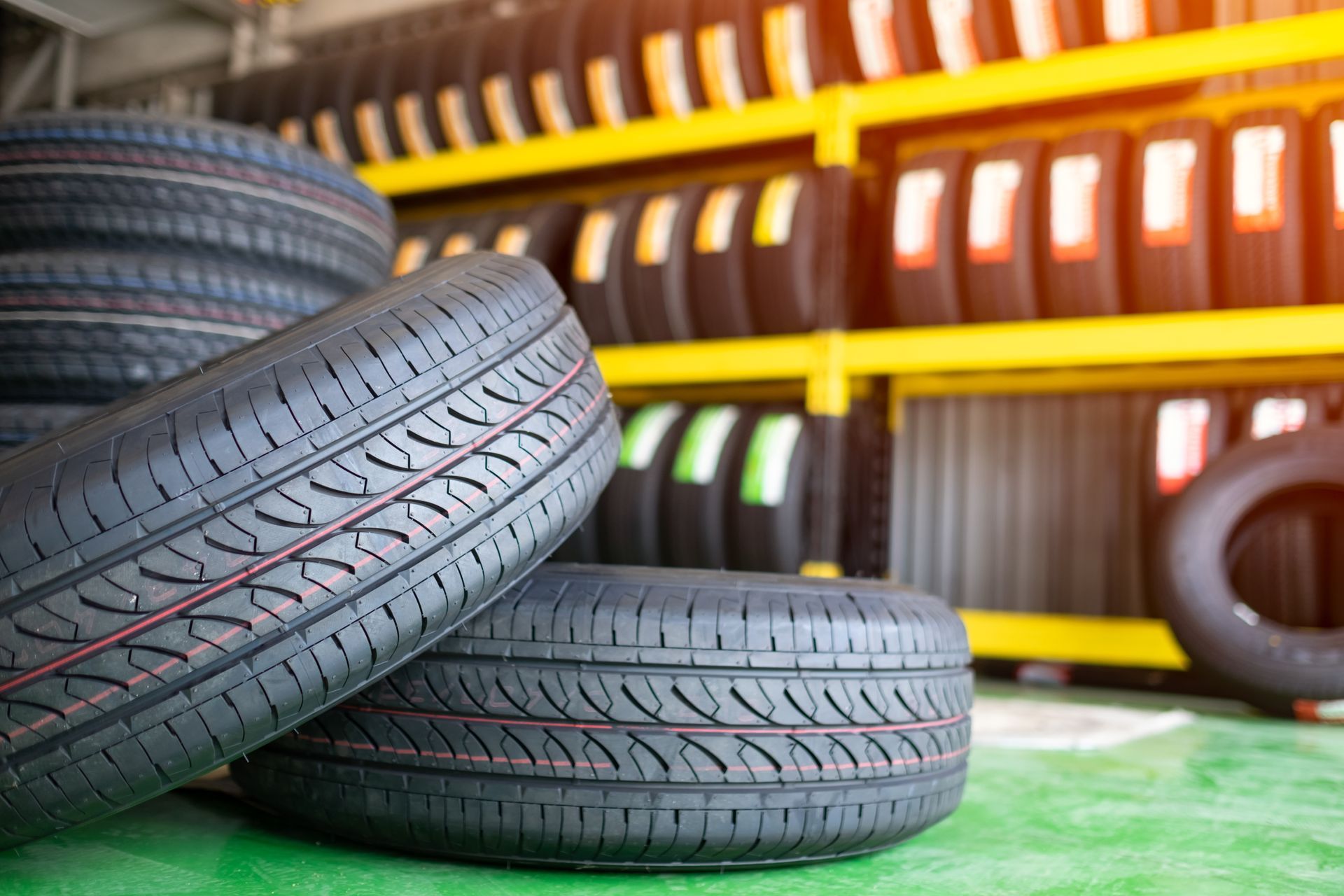
Tires have an outsized impact on EV range and road noise because rolling resistance is part of every mile. Keep pressures set to the door-jamb specification and check them cold, since cold weather drops tire pressure and low pressure increases heat and shoulder wear. Rotate on schedule so the driven axle does not wear out early, especially with instant torque. If you notice a new vibration or a steering pull, address it before it turns into a tire you cannot save.
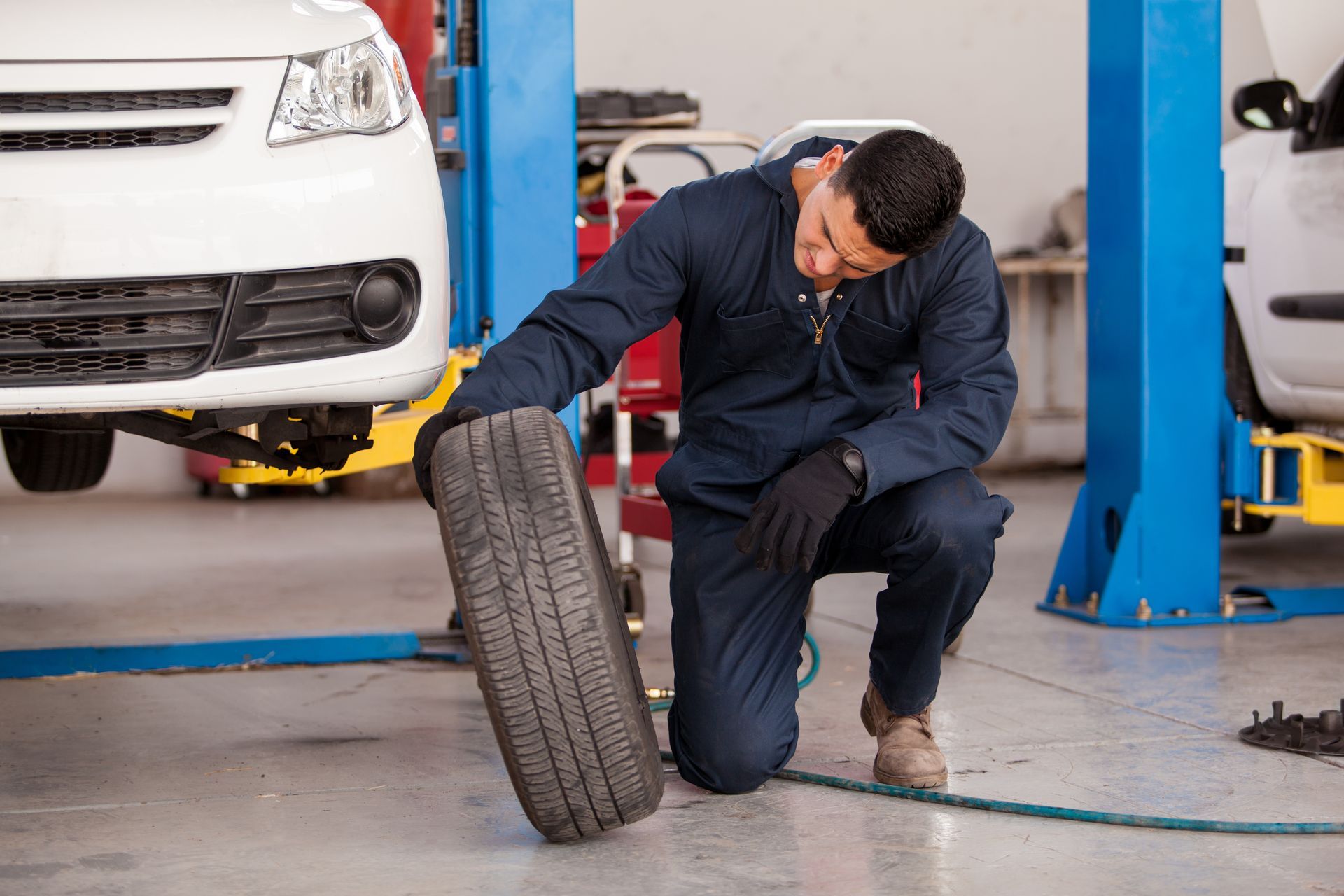
When tires wear unevenly, it is rarely random. A slightly off alignment angle can scrub tread quietly for thousands of miles, then suddenly you see cords on one edge. EVs also tend to be heavier, so they reward correct load ratings and quality tires that can carry the weight without flexing excessively.
2. Brake System Service In A Regen World
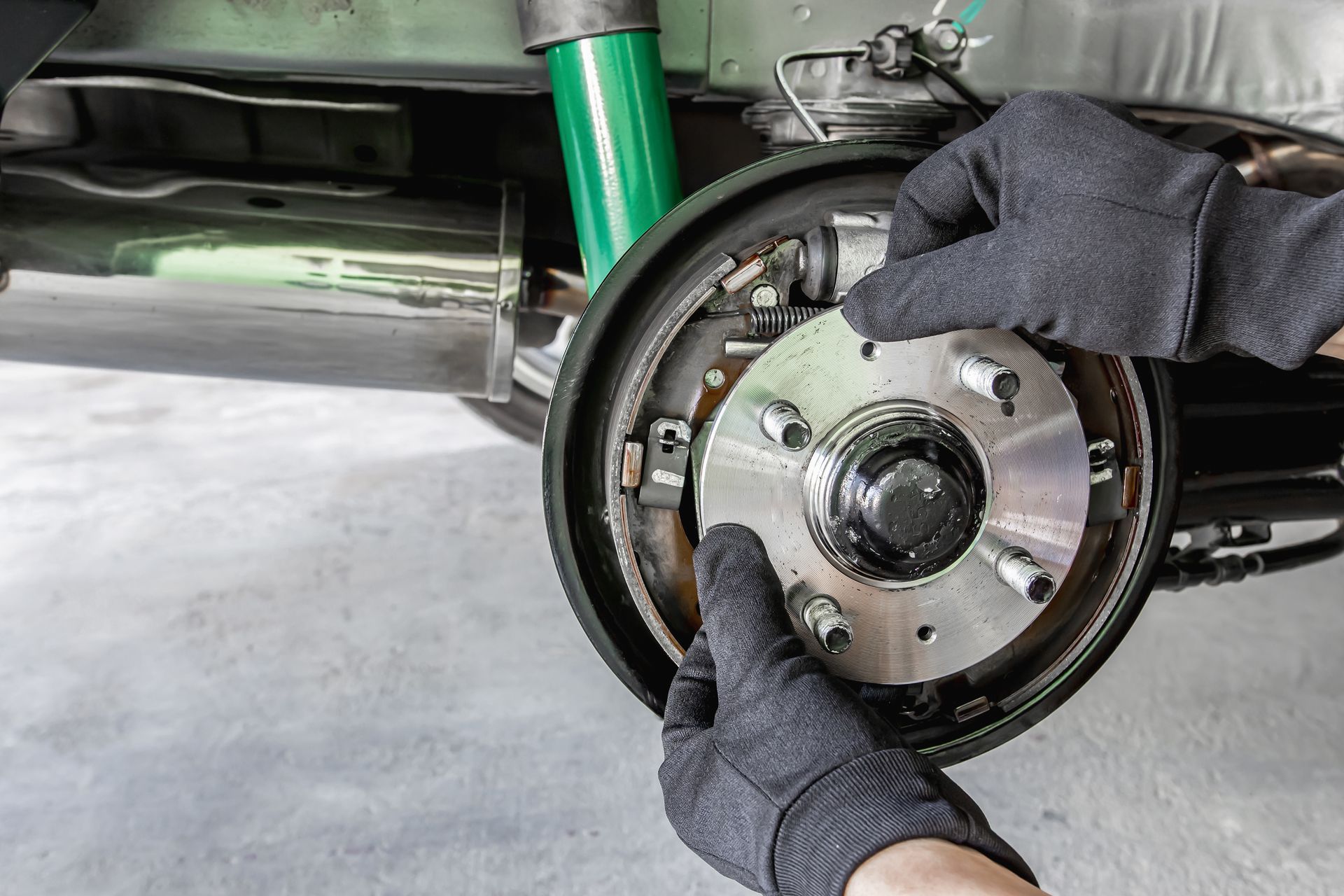
Regenerative braking reduces pad wear, but it can increase the chance of rust buildup and sticky caliper hardware because the friction brakes are used less aggressively. That is why an EV can have plenty of pad thickness and still develop squeaks, pulsation, or a dragging caliper. Periodic brake cleaning and lubrication keep slide pins moving freely and help rotors stay smooth.
A simple driver habit helps too. Every so often, do a few controlled moderate stops in a safe area to wipe surface rust off the rotors and keep the system active. If you feel a low-speed pulse or hear a grinding sound that does not fade after a few stops, it is time for service before the rotor surface gets damaged.
3. Cabin Air Filter And Defrost Performance
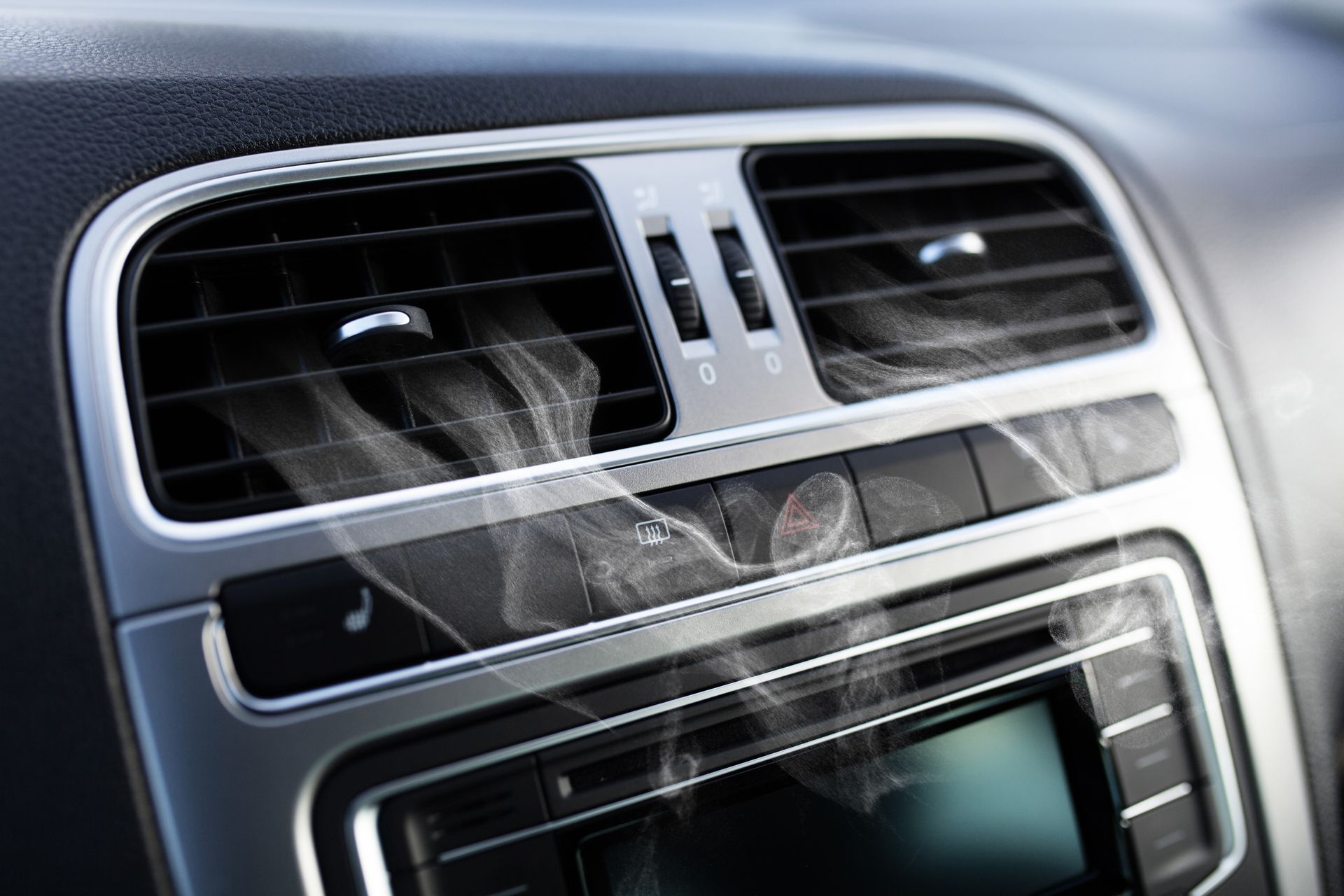
Cabin air filters clog quietly, then you notice the fan needs higher speeds to move the same amount of air. A restricted filter can also make windows fog more easily because airflow to the windshield is weaker. If your vents feel low-flow or your cabin smells stale when the fan starts, the filter is a smart first check.
Filter replacement is usually quick, but it is not one-size-fits-all. Dusty roads, heavy pollen, and city driving load filters faster, and EV owners often keep windows closed more, which makes HVAC performance more noticeable. A fresh cabin filter is one of the easiest ways to restore comfort without chasing bigger problems.
4. Battery Cooling And Thermal System Checks
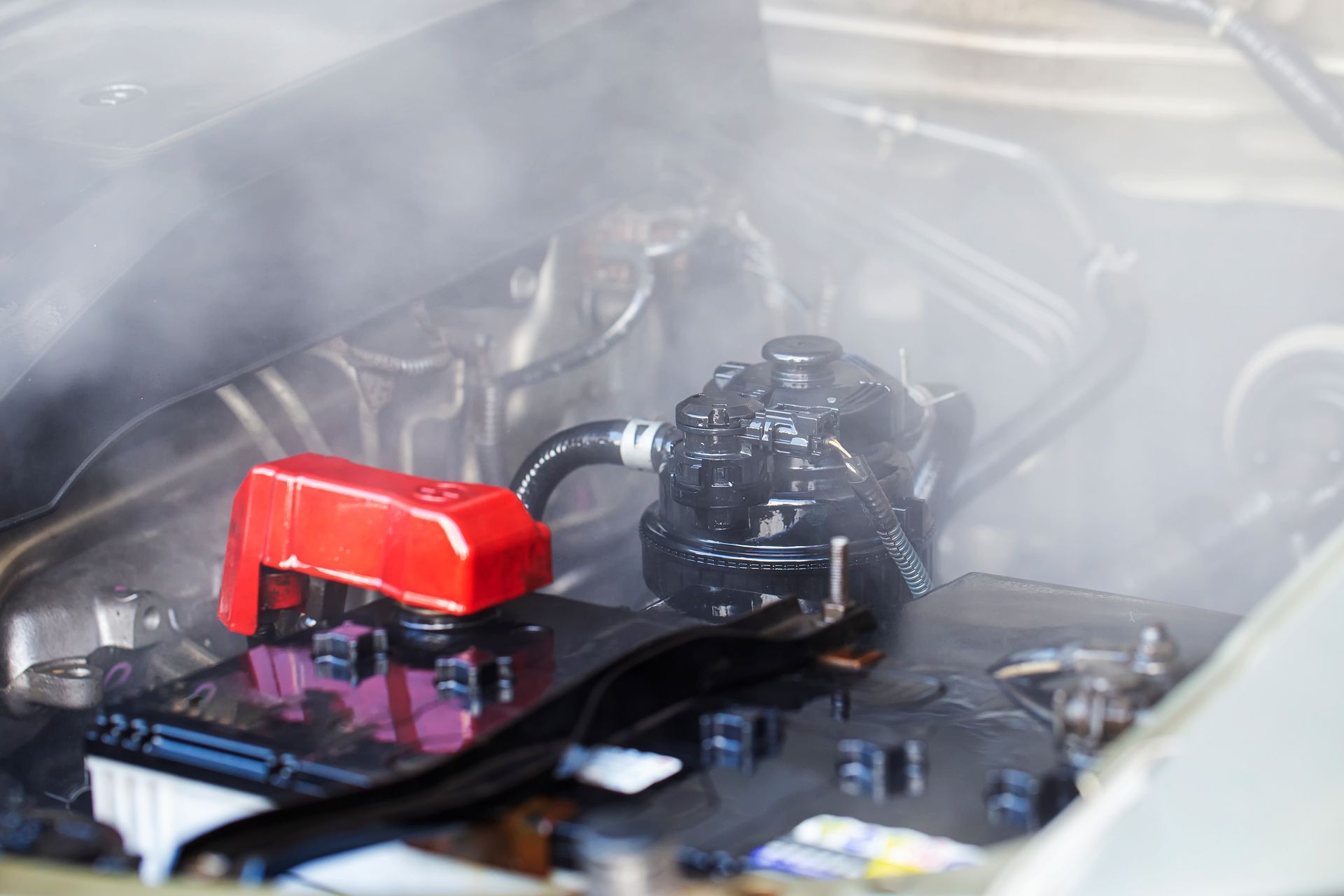
Your EV’s battery and power electronics depend on thermal management to charge, drive, and protect themselves. Coolant levels and system integrity matter because heat control affects charging speed, cabin comfort performance, and how consistently the vehicle delivers power. A small leak can show up as fans running longer than normal, reduced charging performance, or temperature-related messages during warmer days.
This is not a place for guessing. A proper check confirms coolant level, looks for seepage at common connection points, and verifies pump and fan operation under the conditions where the issue appears. Catching a leak early is far cheaper than dealing with overheating components later.
5. Suspension, Steering, And Alignment Basics
EVs are quiet, so you hear suspension issues sooner, and the extra weight can accelerate wear in bushings, links, and bearings. If you notice clunks on bumps, a steering wheel that sits off-center, or tire noise that has grown louder, those are real signals. Keeping the chassis tight preserves straight tracking and reduces the kind of feathering that kills tires early.
A quick chassis check should include the basics: steering play, joint boots, bushing cracks, and any bearing noise that changes with speed. This is also where pothole hits matter, because one hard impact can nudge alignment enough to start a wear pattern. Fixing alignment early protects the next set of tires.
6. Software Updates And High-Voltage Safety Checks
Many EV functions are software-driven, from charging behavior to traction control calibration. Staying current on updates helps keep systems communicating properly and can improve how the vehicle manages energy and temperature. The other part is safety: high-voltage systems require correct procedures, proper isolation checks, and the right tools.
If a warning message appears and then disappears, do not assume it resolved itself. Stored data can point to a connector issue, a sensor reading out of range, or a low-voltage event that disrupted modules. The safest approach is a focused inspection that verifies what happened and confirms the system is operating within spec.
Get EV Maintenance In Squamish, BC With Diamond Head Motors Ltd
If you want your EV to stay efficient and predictable, the next step is keeping tires, brakes, filters, and thermal systems on a clear schedule and addressing small warnings before they stack up. Schedule service with Diamond Head Motors Ltd in Squamish, BC, and we’ll check the essentials and build a plan that fits how you drive.
You should feel confident every time you plug in and head out.