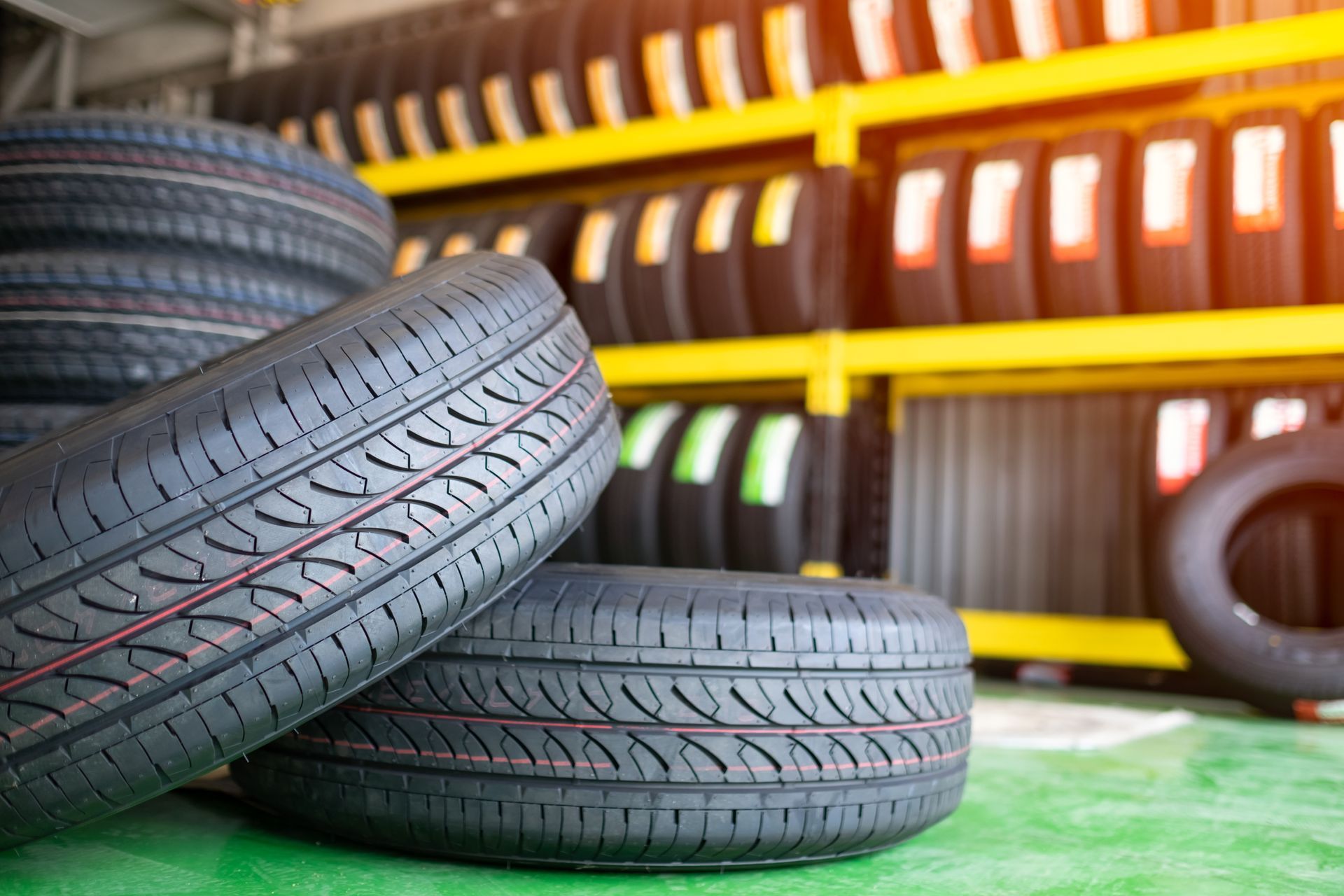
Tires can be a little misleading. A tire may still have decent tread depth, look clean from a few feet away, and seem fine during normal driving. Then you check the date code and realize it is much older than expected.
Age matters because tire rubber changes over time. Heat, sunlight, moisture, road salt, storage conditions, and everyday driving slowly dry and harden the rubber. A tire can age out before it wears out, especially on vehicles that do not get driven many miles each year.
Tread Depth Does Not Tell The Whole Story
Tread depth is important. It affects traction, water evacuation, braking, and tire grip. But tread is only one part of tire condition. A tire with deep tread can still be unsafe if the rubber is old, cracked, hardened, or damaged inside.
That catches many drivers off guard. The tire looks like it has life left, so replacement feels unnecessary. The problem is that aged rubber does not perform as well as fresh rubber. It can lose flexibility, grip poorly in wet conditions, and become more vulnerable to cracking or separation.
How Tire Rubber Ages Over Time
Tires are made with rubber compounds that need to stay flexible. Over the years, those compounds slowly change. Oxygen, heat, sunlight, ozone, and repeated temperature changes all affect the tire. Even a tire stored indoors will age, though usually more slowly than one exposed to weather every day.
As the rubber hardens, the tire may not grip the road as well. The sidewall can start to crack. The tread area can develop small splits. The tire may also become noisier or ride harsher than it used to. Those changes do not always happen evenly across all four tires.
The Date Code Can Tell You The Tire’s Age
Every tire has a DOT date code on the sidewall. The last four digits show the week and year the tire was made. For example, a code ending in 2619 means the tire was made in the 26th week of 2019.
That date matters more than the day the tire was installed. A tire could have sat in storage before it was sold. If you bought a used vehicle, trailer, spare tire, or low-mileage car, the tires may be older than they appear. Checking the date code gives a clearer starting point.
When Age Becomes A Concern
There is no single perfect age that applies to every tire in every situation. Many tire and vehicle manufacturers recommend paying closer attention once tires reach about six years old. By the time they are 10 years old, most tires should be replaced, regardless of tread wear, even if they look acceptable.
Driving conditions change the timeline. Heat, coastal weather, heavy loads, long storage, low tire pressure, rough roads, and poor alignment can all accelerate tire aging. A tire that lives outside year-round may look much worse than a tire stored in a cool, dry garage.
Cracking Is A Warning Sign
Small cracks in the sidewall or between tread blocks indicate that the rubber is drying out. A few tiny surface marks may not mean immediate failure, but visible cracking should never be ignored. Deep cracks, widespread checking, bulges, or exposed cords are much more serious.
Cracks can let moisture in and weaken the tire structure. They can also show that the rubber has lost flexibility. If the tire is old and cracked, tread depth becomes less reassuring. The tire should be inspected closely before further driving.
Old Tires Can Affect Wet Weather Grip
Older tires can struggle in wet conditions even when the tread looks decent. Hardened rubber cannot conform to the road surface as well. That can mean longer stopping distances, reduced confidence in turns, and greater risk of traction loss in rain.
This is especially important in places where roads can change quickly with the weather. A tire that feels fine on dry pavement may feel nervous on wet pavement. If the vehicle slides, spins, or activates traction control more than it used to, tire age and condition should be part of the check.
Do Not Forget The Spare Tire
Spare tires age as well. In fact, a spare can be very old because it spends years hidden under the trunk floor or mounted outside under a vehicle. It may have full tread because it's barely been used, but the rubber could still be too old or cracked to trust.
If you ever need the spare during a trip, that is a bad time to find out it is unsafe. Regular maintenance should include checking the spare tire, its pressure, and its date code. A spare that cannot safely carry the vehicle is not much help in an emergency.
Why A Tire Inspection Looks Beyond Tread
A good tire inspection checks more than tread depth. It should include tire age, cracking, bulges, punctures, uneven wear, pressure, sidewall damage, vibration complaints, and the vehicle's use. That full picture helps decide whether the tire is safe to keep driving on.
If the tires are older but still appear usable, a technician can help you understand the risk. If they are cracked, hardened, or past a safe age range, replacement is the better call. Tires are the only part of the vehicle touching the road, so age deserves real attention.
Get Tire Service In Squamish, BC, With Diamond Head Motors Ltd
If your tires still have tread but look old, cracked, dry, or questionable, Diamond Head Motors Ltd in Squamish, BC, can check the date codes, tread, pressure, sidewalls, and overall tire condition.