Wheel bearing noise usually does not show up overnight. It starts as a faint hum, maybe something you only hear on a quiet road. Then it grows into a steady growl, rumble, or drone that gets louder with speed. By that point, many drivers start wondering what caused it in the first place.
A wheel bearing has a tough job. It helps the wheel spin while supporting the vehicle's weight and handling the forces from turns, bumps, braking, and road conditions. Over time, wear, heat, impact, moisture, and poor sealing can damage the bearing enough that it begins to make noise.
Normal Wear From Mileage
Wheel bearings are built to last, but they still wear as mileage climbs. Every drive puts a load through the bearing. Highway trips, city driving, sharp turns, rough pavement, and repeated braking all add up slowly.
At first, the wear is too small to hear or feel. As the bearing surfaces become rougher, the wheel no longer spins as quietly. That is when the familiar humming or growling sound begins. The sound may be soft at first, then become more obvious at higher speeds.
Rough Roads And Hard Impacts
Potholes, curb hits, road debris, and rough gravel roads can shorten bearing life. A hard impact can send a sharp load through the tire, wheel, hub, suspension, and bearing. Even if the wheel does not look damaged, the bearing may have taken some of the hit.
After an impact, the bearing may not make noise right away. It can take weeks or months for the wear to become loud enough to notice. If a humming sound starts after a curb strike or pothole hit, the wheel bearing, tire, wheel alignment, and suspension should all be checked.
Water, Dirt, And Road Salt
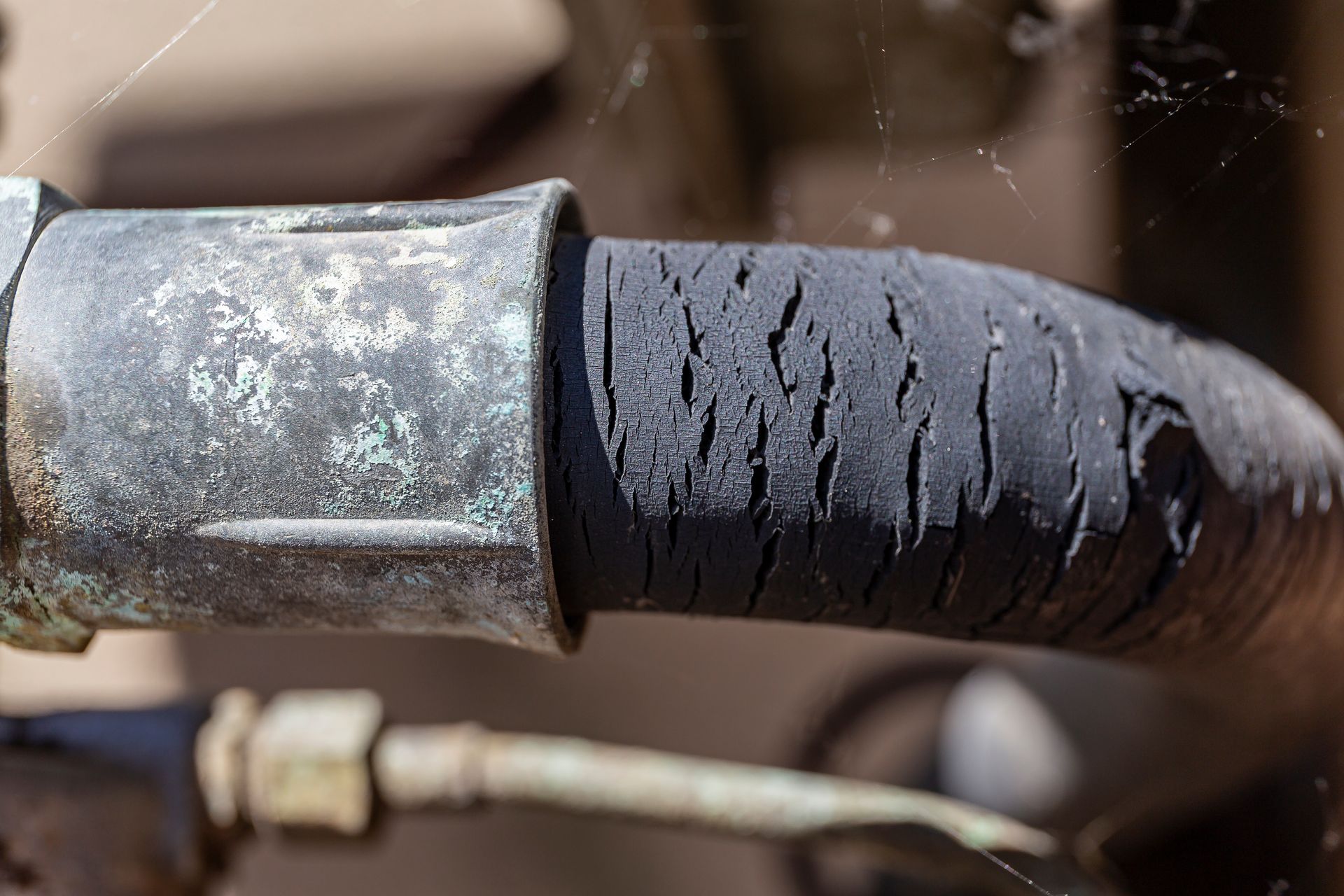
Wheel bearings are sealed to keep grease in and contamination out. Once that seal starts to fail, water, dirt, and road salt can enter the bearing. That contamination can break down the grease, leading to rust or pitting inside.
In places where rain, coastal moisture, mountain roads, and winter road treatments are part of driving, seals have a harder job. A small seal failure can turn into noisy bearing wear over time. You may not see the contamination from outside, but the sound tells the story as the bearing surfaces become rough.
Heat And Lack Of Lubrication
Wheel bearings need proper lubrication to reduce friction. If the grease breaks down, leaks, or becomes contaminated, heat builds up inside the bearing. Heat speeds up wear and can make the bearing noisier.
A failing bearing may also create more heat near one wheel. Sometimes a technician can find that one hub is warmer than the others after a road test. That does not replace a full inspection, but it can be another clue that friction is building where it should not.
Improper Installation Or Cheap Parts
Wheel bearing replacement has to be done carefully. Some bearings are pressed into place. Others come as part of a hub assembly. If the bearing is installed with the wrong force, damaged during pressing, over-tightened, under-tightened, or paired with poor-quality parts, it may fail early.
This is one reason the cheapest bearing repair is not always the best value. A quality part and proper installation matter. A bearing that is slightly damaged during installation can be quiet for a short time, then start making noise far sooner than expected.
Tire And Suspension Problems Can Add Stress
Tires and suspension parts affect how much load the bearing carries. Uneven tire wear, bad alignment, worn shocks or struts, loose ball joints, and damaged control arm bushings can all affect how force is transmitted through the wheel and hub.
The bearing may not be the first part to complain, but it can suffer from the extra stress. Regular maintenance helps catch tire wear, alignment concerns, and worn suspension parts before they create more strain on the bearings. If a bearing is noisy, the surrounding parts should be checked too.
Why The Noise Gets Louder Over Time
A wheel bearing gets noisy because the smooth surfaces inside have worn, pitted, or become damaged. Once that happens, each rotation creates more friction and vibration. The faster the wheel turns, the louder the noise can get.
The sound may change when you turn because the vehicle's weight shifts from one side to the other. A bearing can get louder when loaded and quieter when unloaded. That pattern can help locate the problem, but tire noise and suspension noise can overlap. A careful road test and inspection are still needed.
Get Wheel Bearing Repair In Squamish, BC, With Diamond Head Motors Ltd
If your vehicle has a humming, growling, or rumbling sound that gets louder with speed, Diamond Head Motors Ltd in Squamish, BC, can inspect the wheel bearings, tires, suspension, brakes, and related parts.