It is a scenario that can make any driver’s stomach drop. You are cruising down the highway when you notice a strange smell, or maybe a soft chime alerts you to a little red thermometer icon on your dashboard. You glance down, and sure enough, your temperature gauge is climbing steadily into the danger zone, pinning itself directly on the letter H.
At our shop, we understand the immediate temptation that follows. You think to yourself, If I can just make it another five miles to my exit, or Maybe I can push it home if I turn off the A/C and coast. It feels like a gamble worth taking to avoid the hassle of a tow truck.
But as mechanics, we are here to tell you the cold, hard truth: when your car overheats, the clock isn't just ticking…it is flying. The distance you can safely drive an overheating car isn't measured in miles. It is measured in seconds.
Why Seconds Matter
If your temperature gauge hits the red line or your dashboard warns you that the engine is too hot, you have roughly 30 to 60 seconds to pull over safely and shut the engine off before serious, permanent damage begins.
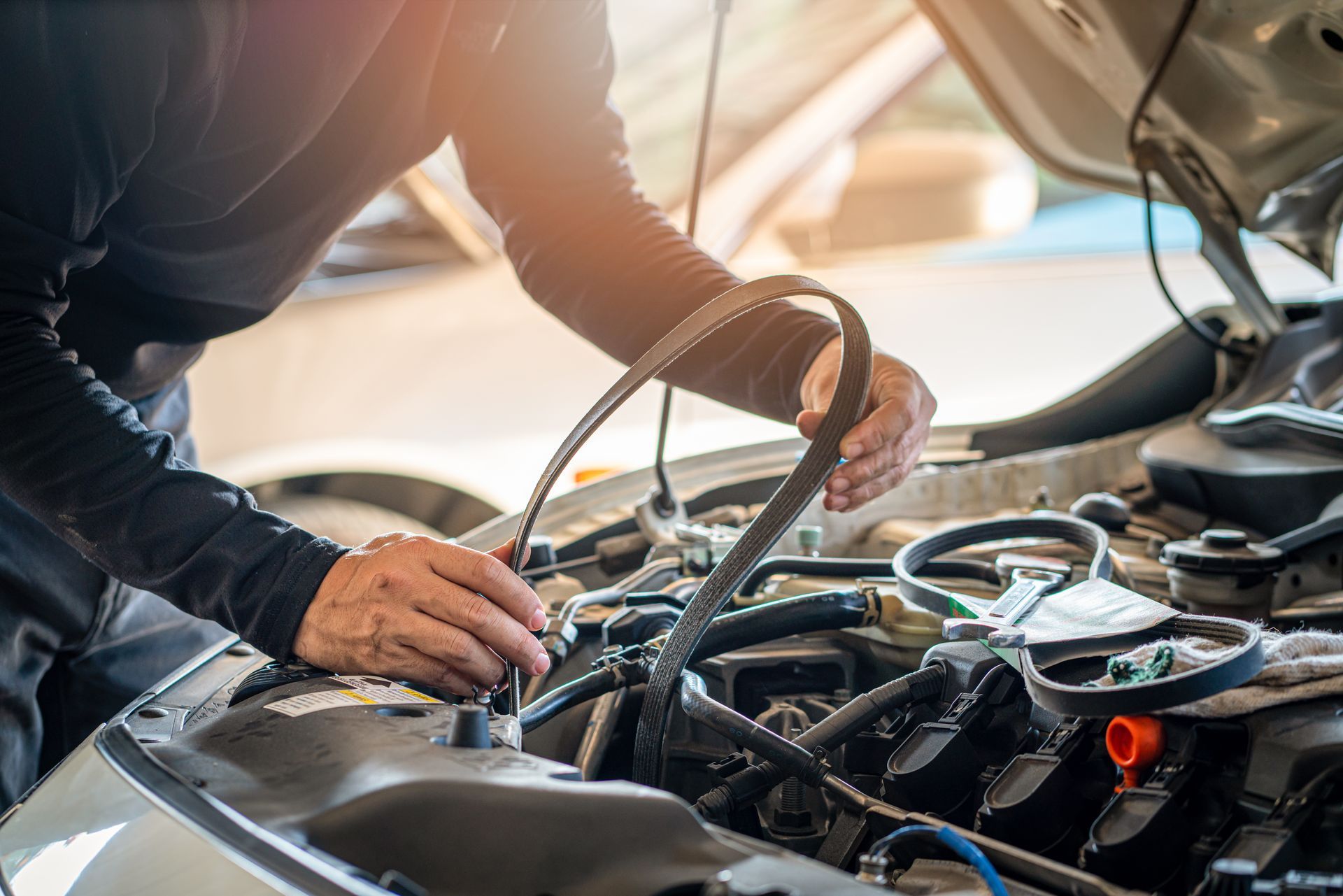
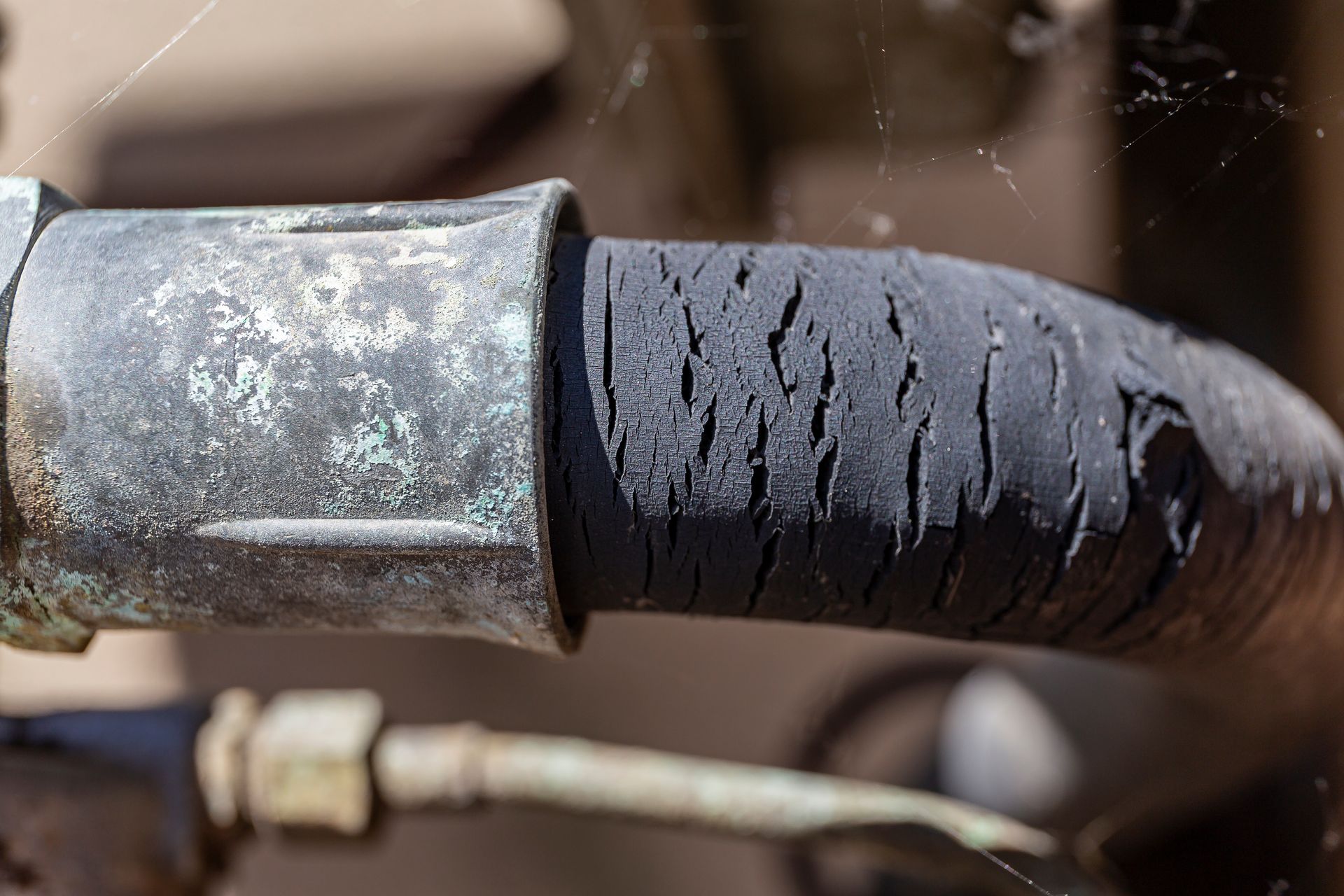
Engines are precision-engineered miracles of metal, operating at optimal temperatures usually between 195°F and 220°F. Your cooling system is the only thing keeping that intense friction from turning the engine into a molten block of iron and aluminum. The moment the cooling system fails, whether due to a burst hose, a failed water pump, or a stuck thermostat—the heat spikes exponentially.
If you try to drive even a quarter-mile further to find a more convenient parking spot, you are playing Russian roulette with your engine block.
What Happens Inside a Hot Engine
To understand why we scream Pull over! so passionately, it helps to know exactly what is happening to your hardware when it cooks. It is a rapid chain reaction of mechanical failures:
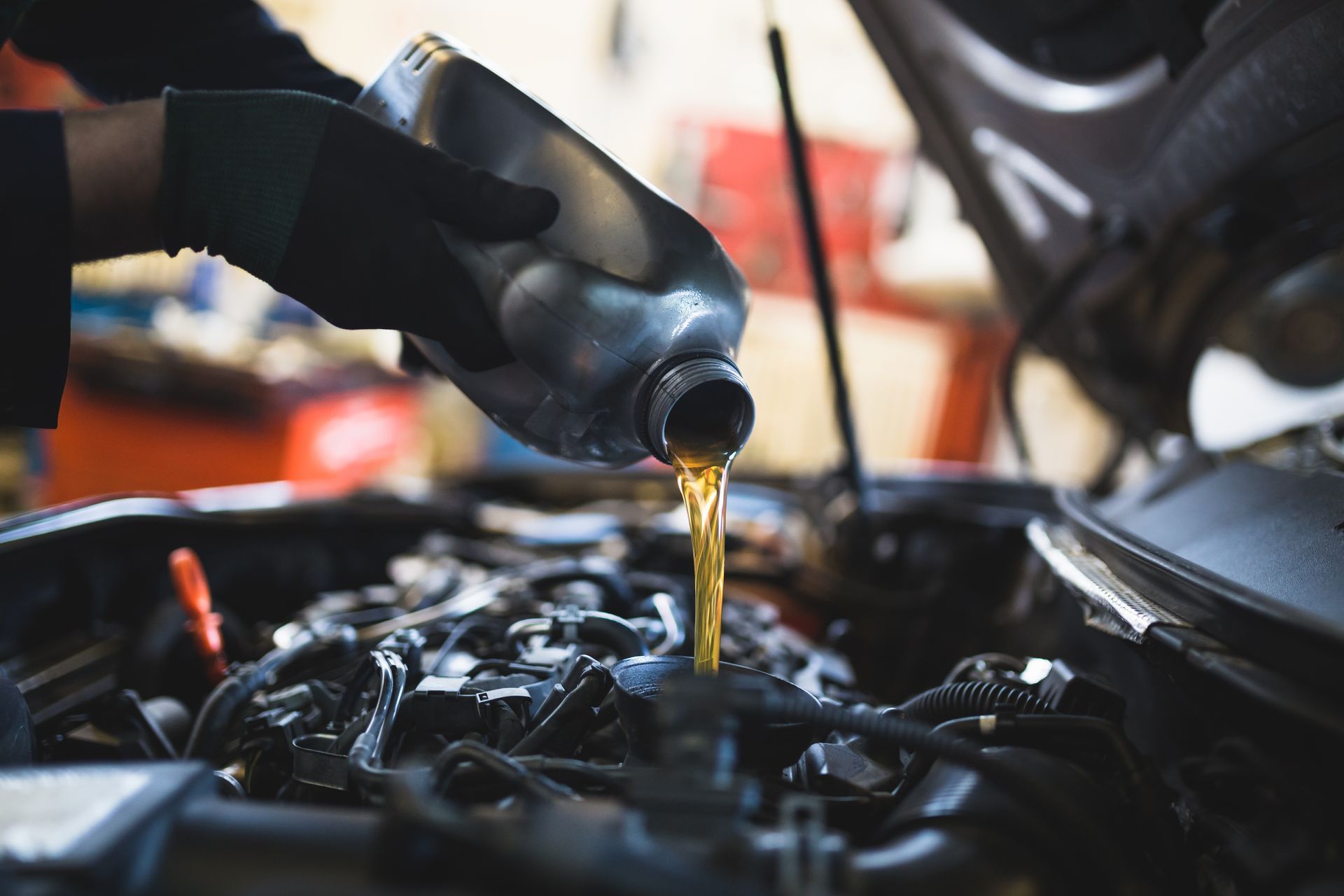
- The Oil Breakdown: Engine oil is the lifeblood that keeps moving parts sliding smoothly. Under extreme heat, oil loses its viscosity and thins out, essentially turning into water. Without lubrication, metal grinds hard against metal.
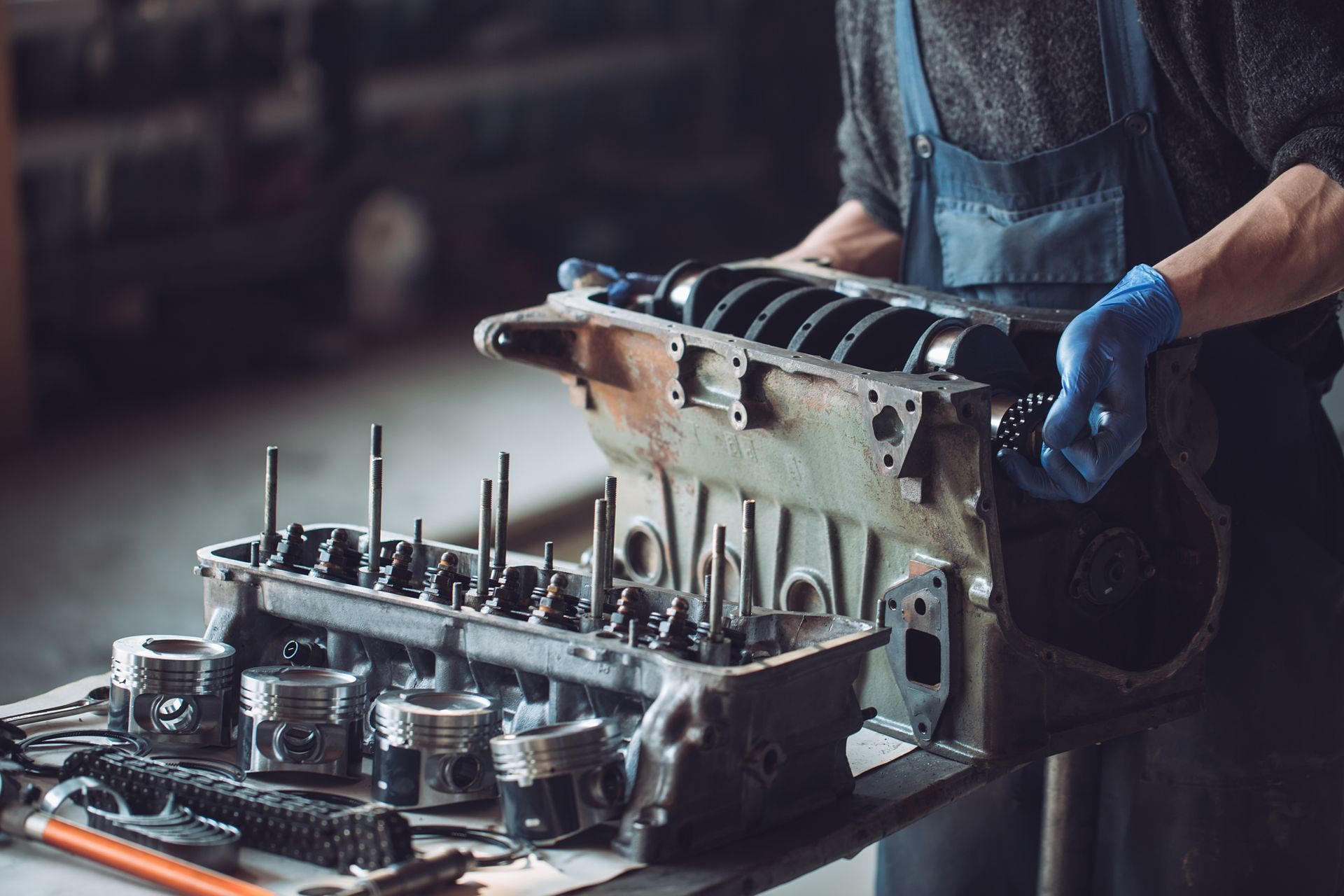
- The Blown Head Gasket: This is the most famous victim of overheating. The head gasket acts as a seal between your engine block and the cylinder head, keeping your oil and coolant channels separate. Extreme heat causes components to expand unevenly, blowing out the gasket and allowing coolant to flood your cylinders.
- Warped Cylinder Heads: Most modern engines use aluminum cylinder heads. Aluminum is light and efficient, but it hates extreme heat. It will literally warp and twist out of shape, meaning it can no longer form a tight seal, destroying your engine’s compression.
- Seized Pistons and Cracked Blocks: In the worst-case scenarios, the metal pistons will expand so much inside their chambers that they physically jam and seize up. At this point, the engine block can crack entirely, turning your powertrain into an expensive paperweight.
What to Do (And What NOT to Do) When the Heat Rises
If you see that gauge spike, don't panic. Take these exact steps to protect yourself and your vehicle:
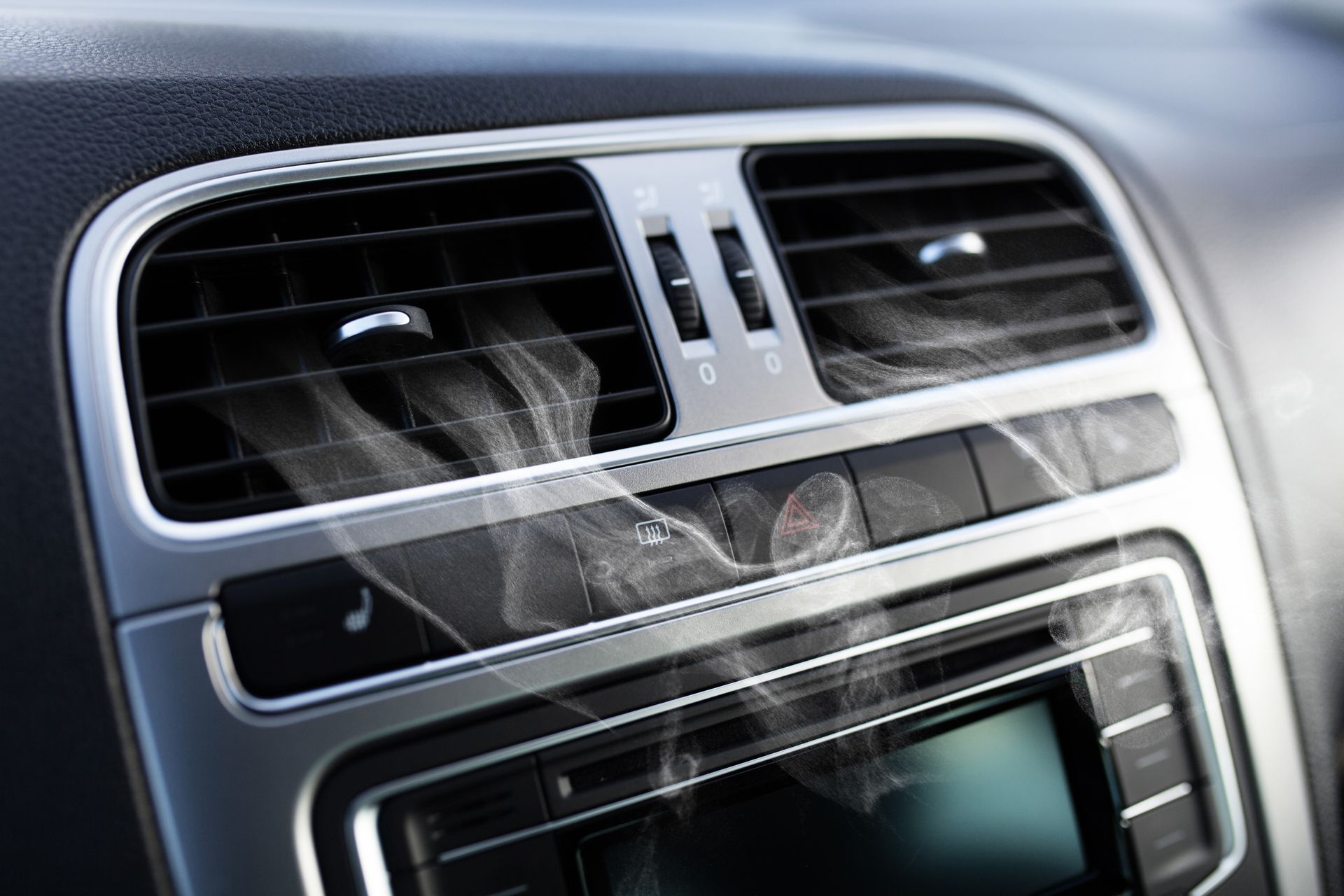
- Turn on the Heater: It sounds crazy when it is 90 degrees outside, but turning your cabin heater to maximum blast pulls heat away from the engine bay and dumps it into the cabin. It won't fix the problem, but it might buy you an extra 20 seconds to find a safe shoulder.
- Pull Over and Shut It Down: Find a safe spot out of traffic, park, and turn the key off immediately. Leaving the car idling while overheated will only make the problem worse.
- Leave the Hood Alone: Do not immediately jump out and pop the hood. The coolant inside is under massive pressure and can violently spray boiling liquid and steam, causing severe burns. Wait at least 15 to 20 minutes before even releasing the hood latch.
- Never Open the Radiator Cap: Under no circumstances should you twist off a radiator cap on a hot engine. It is a pressurized volcano of boiling antifreeze waiting to erupt.
Can You Drive It Once It Cools Down?
Let’s say you pulled over, waited an hour, and the gauge returned to normal. Can you drive it then?
Only if you are moving a very short distance to a safe parking lot, and only if you have verified that the car actually has coolant left inside. If a hose split and all your antifreeze leaked onto the asphalt, the car will overheat again within two minutes of starting the engine. Driving a car that has overheated once without fixing the root cause is a guarantee that it will happen again.
Let Us Take the Heat
A tow truck bill might feel like an annoying expense at the moment, but we promise you it is significantly cheaper than a complete engine replacement. Most overheating issues start as small, affordable fixes.
If your temperature gauge has been flirting with the red zone, or if you had to pull over because your car started smoking, don't try to limp it into our shop. Let a flatbed bring it to Diamond Head Motors Ltd in Squamish, BC safely.
Our team will run a pressure test on your cooling system, find the leak or blockage, and ensure your engine didn't suffer any hidden structural damage.