You drive the same stretch of road in two cars, and one seems to carry every tire hum into the cabin while the other stays much quieter. The difference can come from the tires, the body, the glass, and the paths that allow vibration and sound to reach the seats.
An EV adds another change. With much less engine sound in the background, tire and wind noise can become easier to notice. That does not mean every EV is louder overall; different sounds simply stand out more clearly.
Road Noise Reaches The Cabin In More Than One Way
Some sound travels through the air and enters through glass, panels, or openings. Other noise begins as vibration where the tire meets the road, then travels through suspension connections and the body. What you hear inside can be a mixture of both paths.
Vehicle design controls those paths with insulation, damping materials, seals, and isolation between components. Two cars can therefore have similar noise around the tires but send different amounts into the cabin. That also explains why adding material near one panel does not necessarily quiet a hum traveling through a different mechanical connection.
Tire Design And Road Texture Change Rolling Noise
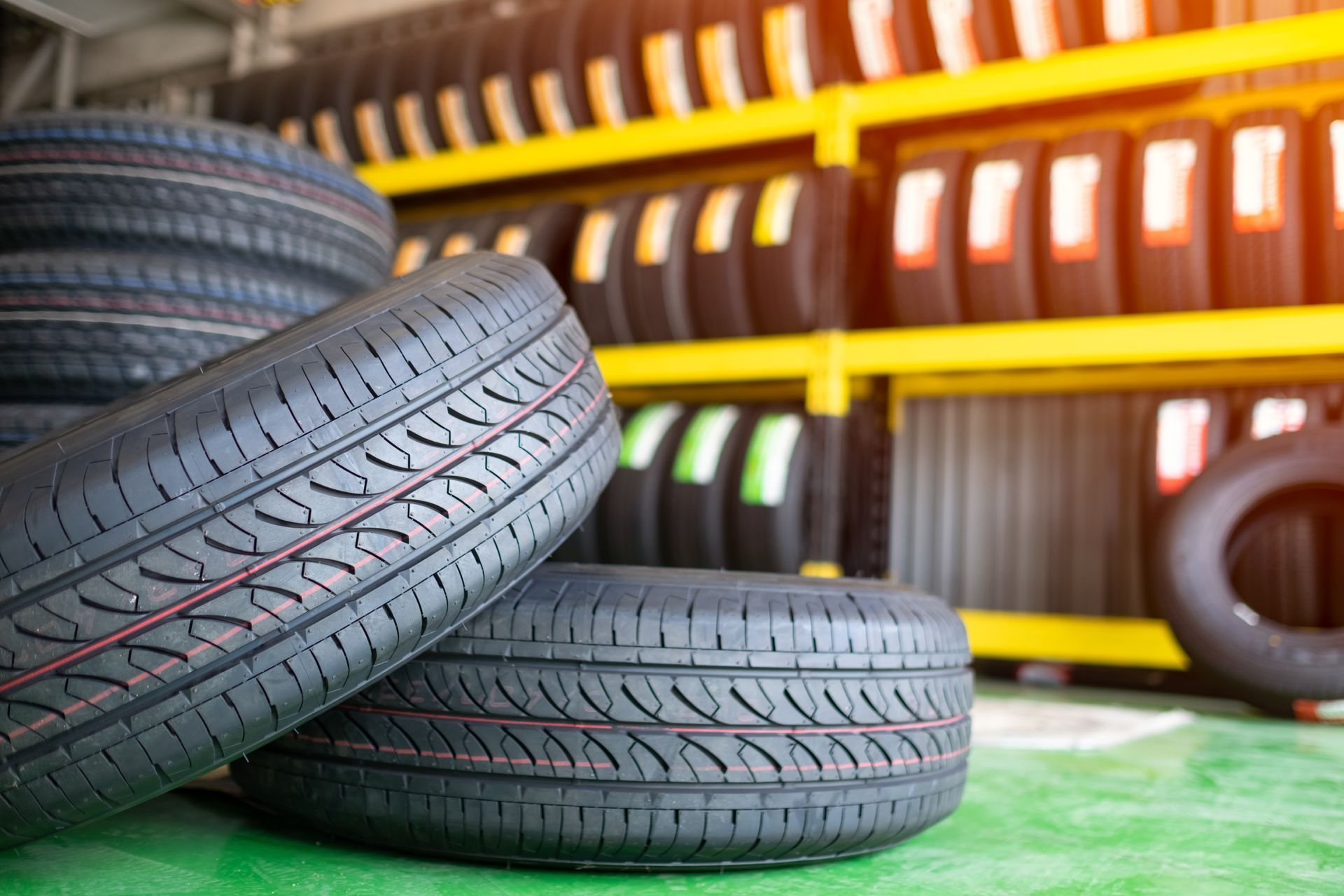
Tread pattern, construction, size, and road surface all influence the sound a tire creates. Smooth pavement may be quiet, while a coarse surface can bring out a steady roar from the same set. Tires designed for different priorities can also sound different even when they fit the same vehicle.
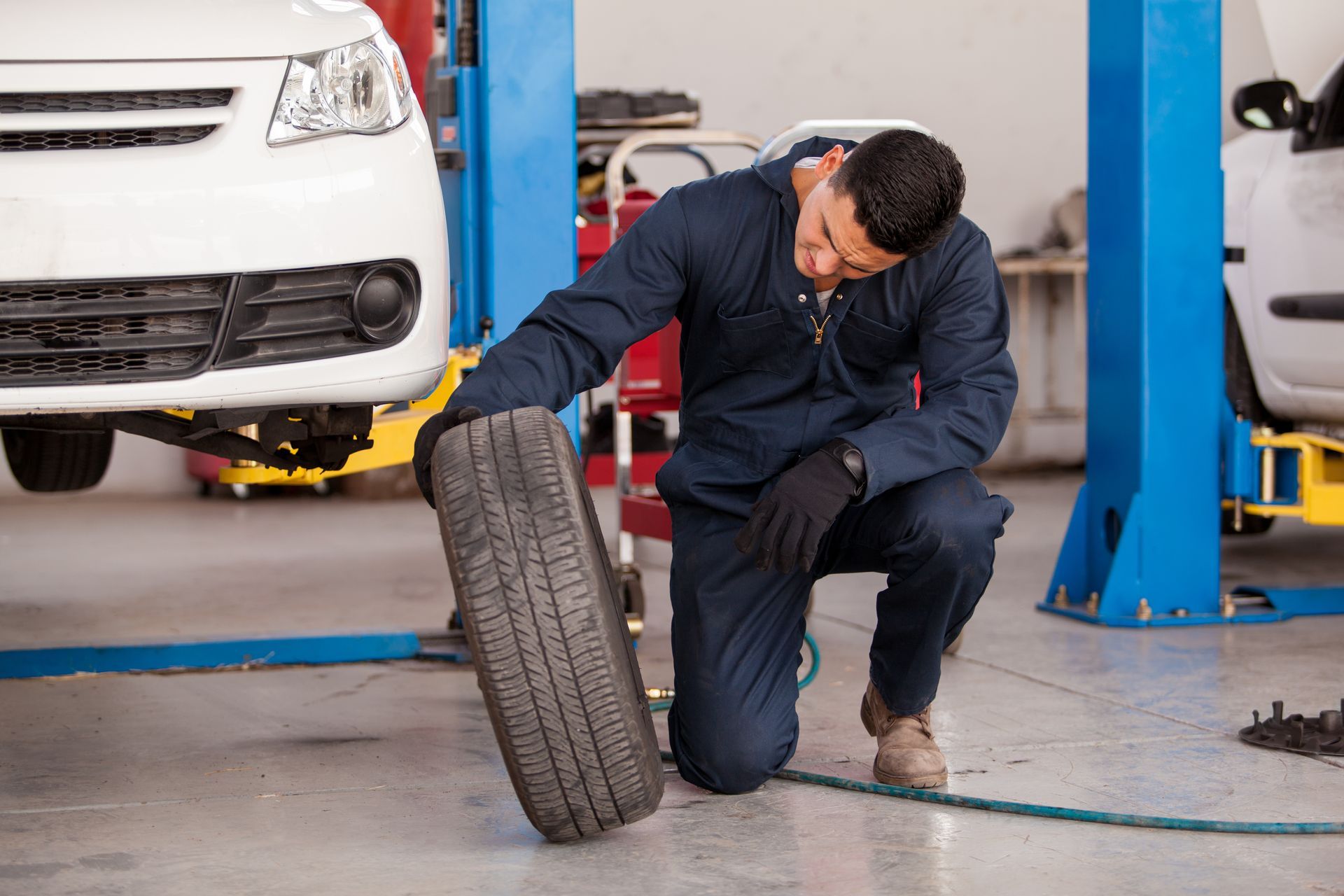
Uneven wear can create a new hum or drumming pattern. Cupping or recurring edge wear deserves inspection, not acceptance as normal road noise. Tire pressure should stay at the vehicle's specified level. Reducing it to soften the sound can create handling and loading problems without correcting the source.
Cabin Glass And Door Seals Help Keep Noise Out
Acoustic glass, insulation, and body damping can reduce particular sounds reaching the occupants. Door and window seals help limit air leaks, while vehicle shape affects airflow around mirrors and pillars. The result depends on the whole design rather than one visibly thick piece of glass.
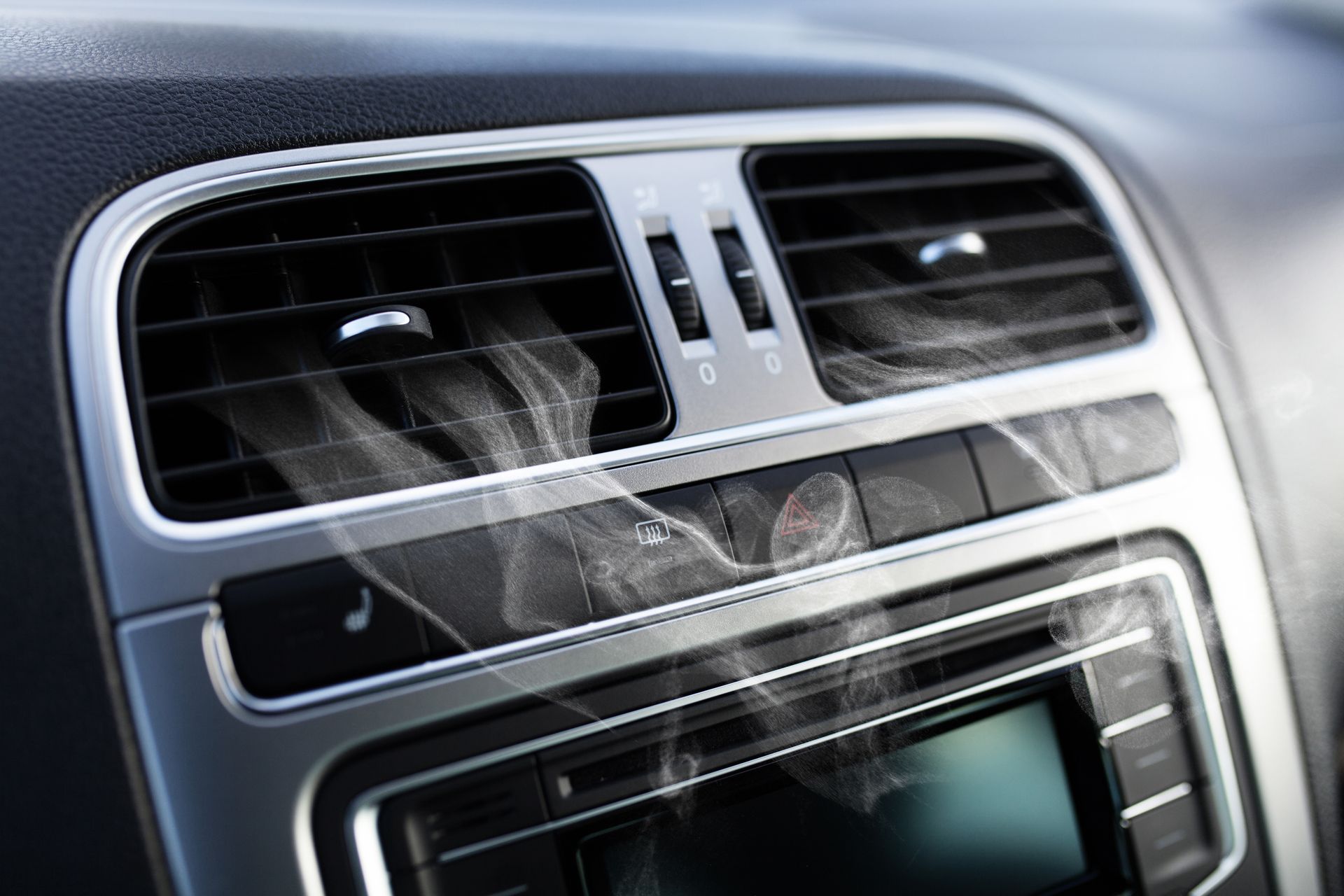
A displaced seal, poorly fitting door, or disturbed panel can introduce wind noise that was not there before. Mention recent windshield or body work if the sound began afterward. Some vehicles also use active noise control, but it targets particular sounds and conditions rather than canceling every noise from tires, wind, or mechanical wear.
EV Road Noise Stands Out Without The Same Engine Background
In a gasoline vehicle, engine and exhaust noise can mask some of what the tires and road produce. An EV removes much of that background. A tire hum that was less obvious in another car can become much easier to hear, especially at lower speeds.
At higher speeds, tire and wind noise become prominent in many vehicles regardless of powertrain. Some EVs have substantial weight or specialized tires, but those features vary by model. They don't prove that all EVs are noisy, and you shouldn't dismiss a new rumble as an unavoidable part of electric driving.
Acoustic Tire Features Have Their Own Limits
Some tires include an internal foam layer designed to reduce a particular sound from the tire cavity. That feature can help with one part of the noise reaching the cabin. It does not silence wind, eliminate worn wheel-bearing noise, or make every road surface sound alike.
If a foam-equipped tire needs puncture repair, the manufacturer's instructions determine how to do the work. The tire still needs an internal inspection to confirm it is repairable. Removing or altering acoustic material to chase an unrelated cabin noise can create more confusion without addressing the actual source.
A New Cabin Noise Can Be A Mechanical Warning
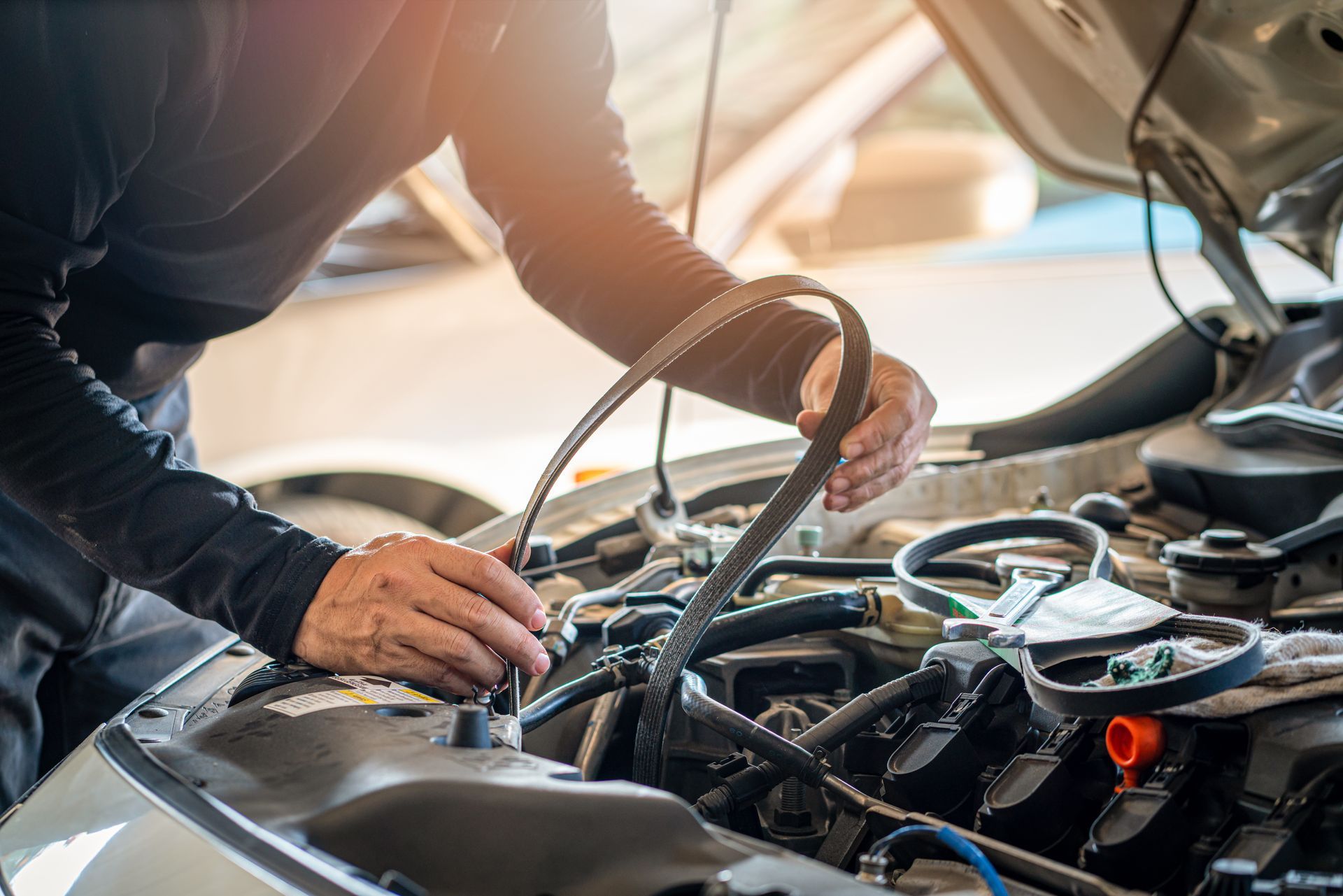
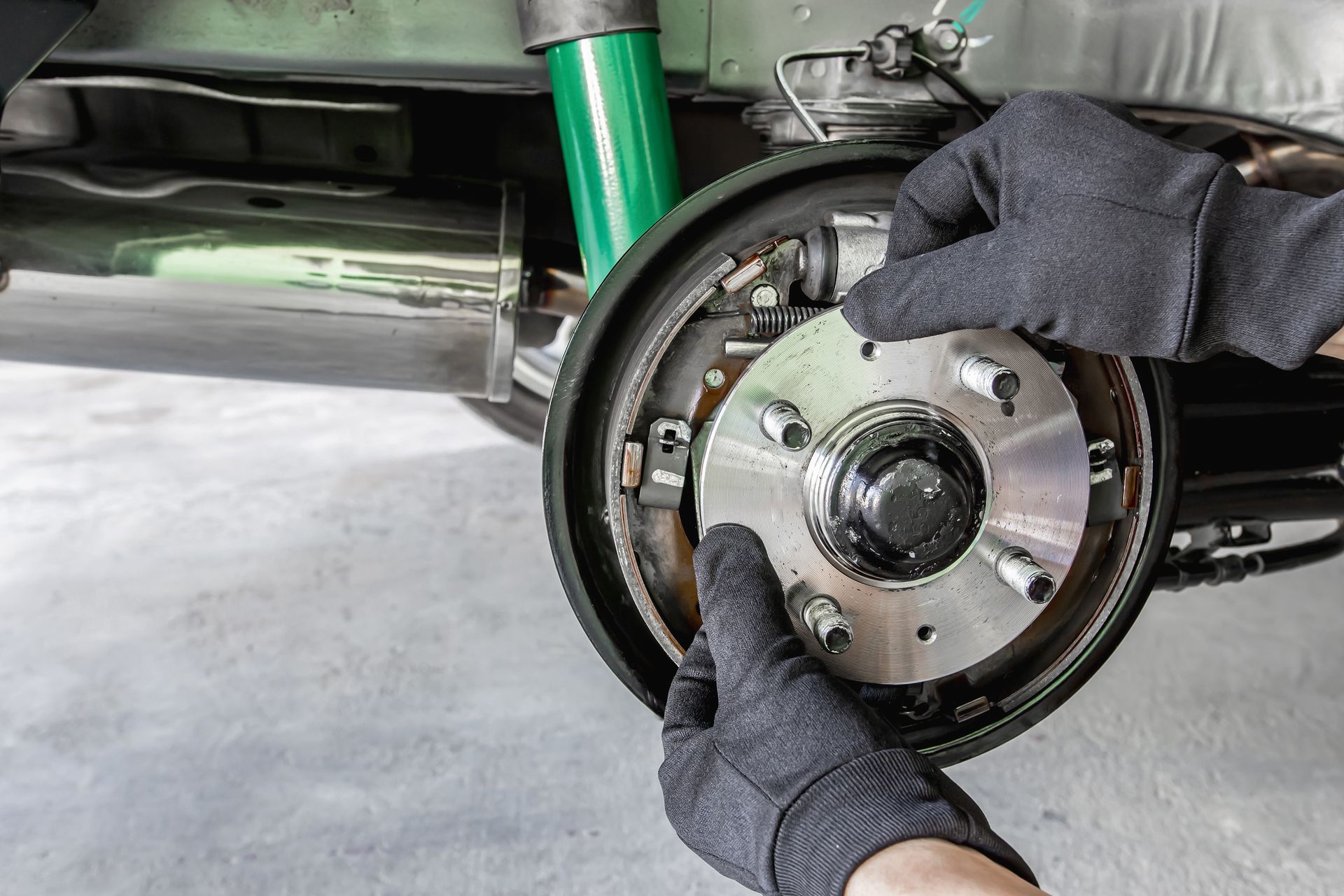
A gradual change can be harder to notice than a sudden grinding sound. Pay attention to whether the noise follows road speed, engine speed, steering, or the pavement surface. Tire wear, wheel bearings, drivetrain parts, and loose panels can sound similar from the driver's seat.
Those patterns help narrow the inspection, but they don't identify a part on their own. A sound that becomes louder during a turn does not automatically prove a wheel bearing has failed. The vehicle needs checking, especially if vibration, pulling, or another handling change appears with the noise.
Quiet Tire Selection Should Still Fit The Vehicle
When replacement tires are due, cabin noise can be a priority alongside grip, ride, and the vehicle's required specifications. A quieter tire is useless if it isn't suitable for the load, seasonal conditions, or fitment. The condition of the old set also helps explain why the sound changed.
Share whether the noise began after a tire change or developed as the tires wore. Keep the installation and rotation history where possible. That gives the technician a clearer comparison and helps distinguish a normal tire characteristic from wear or another problem that needs repair.
Get Road Noise Inspection In Squamish, BC, With Diamond Head Motors Ltd
If your vehicle has a new tire hum, wind noise, or rumble, Diamond Head Motors Ltd in Squamish, BC, can inspect the tires and related components to find the source.
Contact us to schedule an inspection of your vehicle's unusual cabin or road noise.