The road is clear, the sky is dry, and there is no snow in the forecast. Keeping summer tires on for another week can seem reasonable. The problem is that a cold morning can change how those tires respond well before the road turns white.
Around Squamish, morning temperatures and higher-elevation routes can differ sharply from an afternoon reading at home. Tire choice should reflect the conditions you actually drive through, rather than waiting for visible snow to decide.
Summer Tire Rubber Is Designed For Warmer Conditions
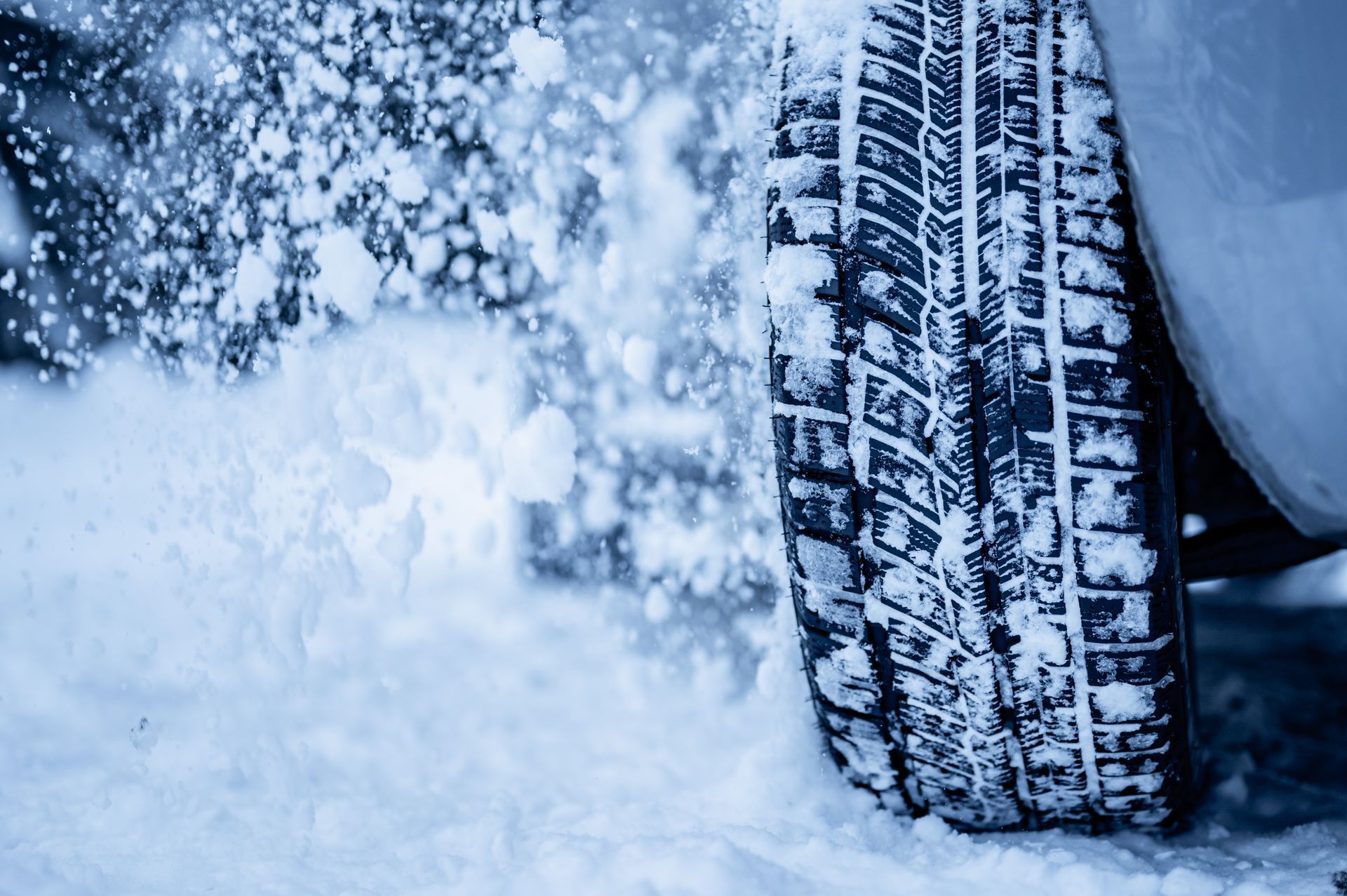
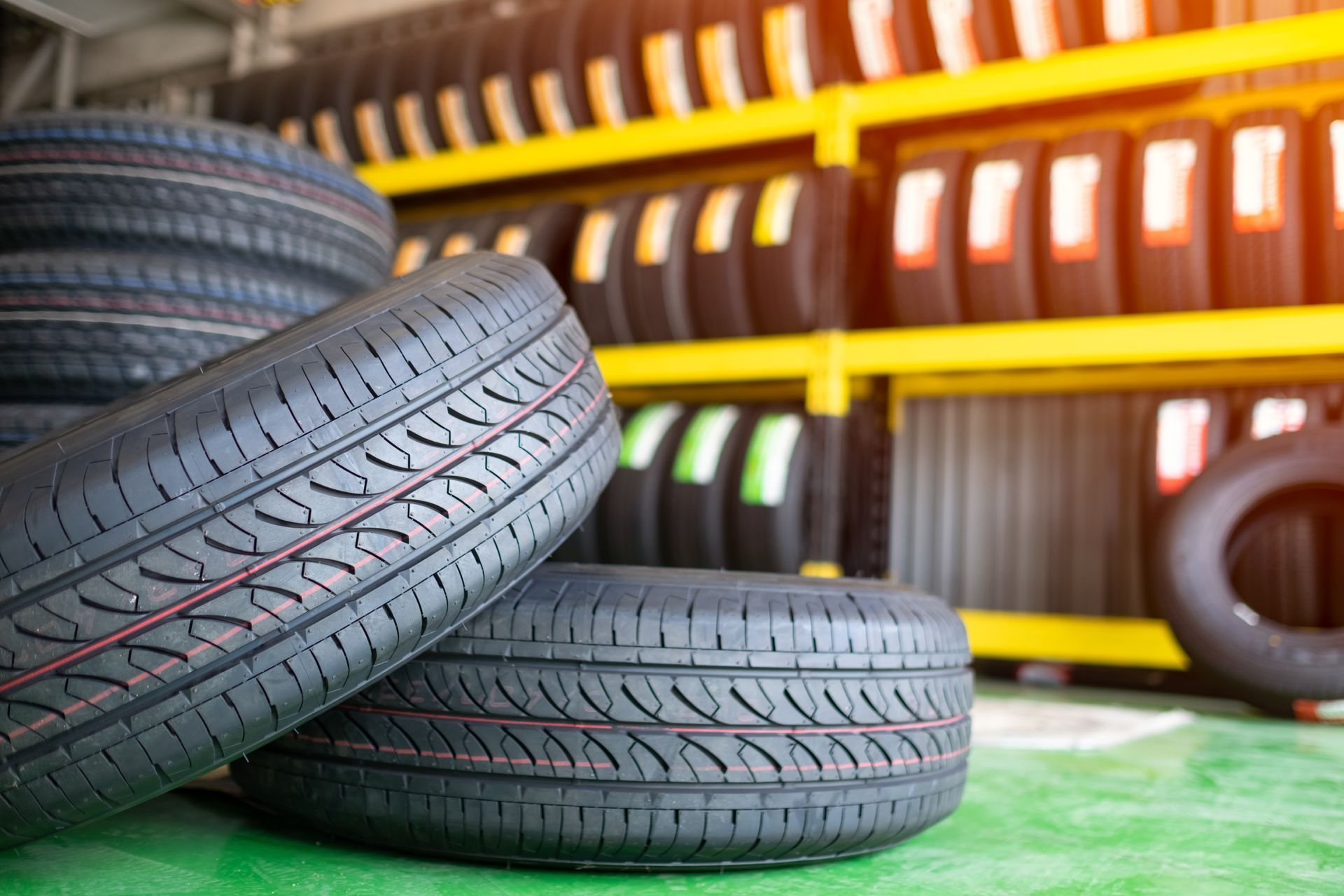
Summer tires can perform well in their intended temperature range, including wet conditions. Their rubber compounds and tread designs are built around those conditions. As the compound stiffens in the cold, the tire may not respond to the road the way it does on a warm day.
That can happen even with plenty of tread remaining. A nearly new summer tire is still a summer tire, and deep grooves do not change the compound's intended operating range. The strengths that make it enjoyable in warm weather should not be assumed to provide the same protection during a cold commute.
Summer Tire Changeover Should Follow Morning Temperatures
About seven degrees Celsius is a commonly used seasonal guide for considering winter tires. It is not an identical limit for every tire. Manufacturers provide more specific temperature guidance, and some performance products have handling or storage restrictions you also need to consider.
Look at temperatures during the hours you travel. A pleasant afternoon does not erase a cold early drive or a colder mountain route. Follow the guidance for the tires installed on your vehicle and plan the changeover before sustained cold, leaving time to inspect the replacement set and arrange any needed work.
Cold Pavement Can Challenge Summer Tires Without Snow
Tire performance changes with the rubber's condition as well as the road surface. Cold rain, frost, and patches of ice can make driving difficult before there is visible snowfall. A road that looks clear from the house may have different conditions in shaded areas or farther along the route.
Adjust speed and leave room for the conditions, but remember that careful driving does not turn a summer compound into a winter one. AWD can send power to more wheels, but it doesn't remove the tire requirements for braking or cornering. Every vehicle still depends on the contact between its tires and the road.
Winter And All-Weather Tires Need Careful Comparison
Winter tires are designed for cold-weather use. Some all-weather products also carry the three-peak mountain snowflake symbol, showing that they meet a defined snow-traction performance requirement. That marking is more informative for snow performance than a seasonal name alone, although it does not guarantee identical results on every winter surface.
An all-season label or M+S marking by itself should not be treated as proof of dedicated winter-tire performance. The right choice depends on your routes, the expected conditions, and the vehicle's requirements. Discuss those needs before choosing a replacement set rather than assume every tire sold for year-round use behaves the same way.
Squamish Winter Tire Planning Should Include The Whole Route
A trip from Squamish can involve changes in elevation and weather in a single drive. Check current forecasts and the posted winter-tire requirements for the roads you plan to use. British Columbia provides route-specific information, so do not assume every road has the same dates or equipment requirements.
Meeting a minimum legal marking requirement and choosing a tire suited to the expected conditions are separate decisions. Consider the manufacturer's guidance and the route rules. If road conditions exceed your equipment, changing the travel plan is better than relying on a clear driveway as proof the entire journey will be suitable.
Seasonal Tire Service Should Include Condition And Pressure
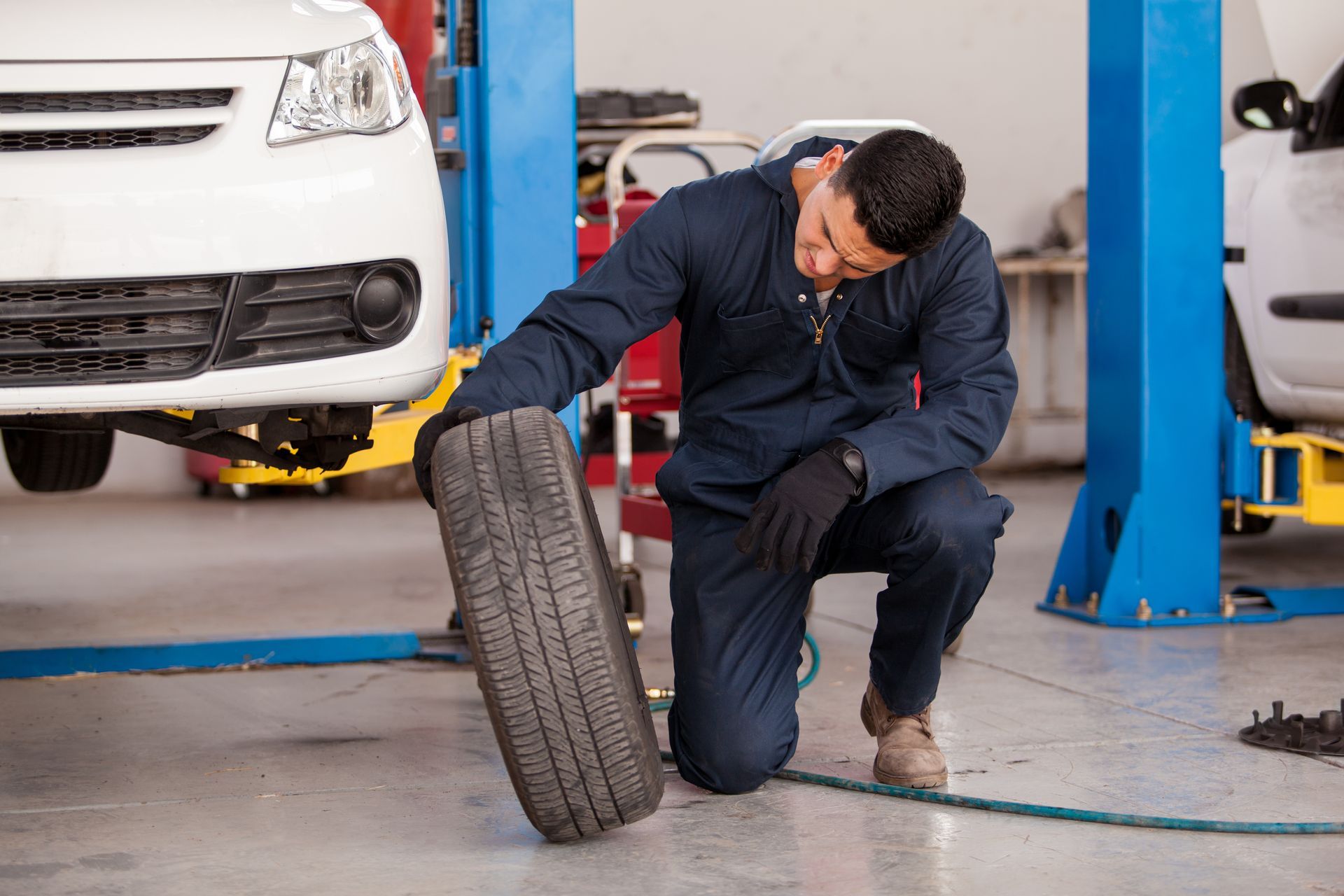
Before installation, inspect the stored set for wear, damage, and aging. Confirm the correct sizes, load requirements, and wheel fit. A set that worked well last winter may have developed uneven wear or damage that needs attention before another season.
Set pressures with the tires cold using the vehicle's specified values, rather than the maximum printed on the sidewall. Have repeated pressure loss investigated. Seasonal installation is also a useful time to discuss balancing or alignment if vibration or unusual wear was present. Hence, the changeover addresses those concerns instead of carrying them into another season.
Summer Tire Storage And Matching Help The Next Changeover
Use an appropriate compatible set on all four wheels rather than mix seasonal categories in a way that creates an uneven grip balance. AWD vehicles can have additional tire-matching requirements, so the set should also meet the guidance for the particular drivetrain.
Store the removed summer tires according to their manufacturer's instructions and protect them from damaging conditions. Record the installation mileage and any wear noted during removal. That makes the next changeover easier to plan and gives you time to replace an unsuitable tire before warmer weather returns.
Get Seasonal Tire Service In Squamish, BC, With Diamond Head Motors Ltd
If colder mornings are approaching or you are planning a mountain route, Diamond Head Motors Ltd in Squamish, BC, can inspect your tires and discuss a suitable seasonal set for your vehicle.
Contact us to schedule your seasonal tire service before sustained cold arrives.